Market Updates

Mortgage News & Market Updates

Mortgage news — explained for real borrowers

These updates cover changes in mortgage rates, lending criteria, and the wider housing market. We explain what matters, what doesn't, and how it could affect your mortgage options.

Market headlines don't apply to everyone — advice always depends on your situation.

How to use these updates

  • Market news is general and not personalised
  • Headlines don't always reflect lender behaviour
  • Your eligibility depends on income, credit, and circumstances
  • We can explain what matters for you

Latest Mortgage News

Is your home still properly insured?Home Insurance
2026
Is your home still properly insured?
Underinsurance is becoming an increasingly common problem for homeowners, making it more important than ever to check that your property is properly protected.
Read more
Underinsurance is becoming an increasingly common problem for homeowners, making it more important than ever to check that your property is properly protected. Concerning statistics highlight the underinsurance problem Recent data shows that in 2025, 70% of UK properties were insured for less than their true rebuild cost. In fact, the average home is only covered for 66% of the amount required to completely rebuild it. This means that, in the event of a major claim, many policyholders could face reduced payouts, leaving them to cover a significant shortfall themselves. While this marks a slight improvement compared with 2020-2022 (when underinsurance affected as many as 80% of UK properties), underinsurance is still a prevalent issue. The ‘average clause’ explained A rise in extreme weather has highlighted the risks of leaving your property underinsured. Homeowners have made claims for fires, flooding and escape of water, only to discover that their cover was insufficient. In these circumstances, an insurer can apply the ‘average clause’ - this reduces the claim settlement in proportion to the level of the policyholder’s underinsurance. For example, if a property is covered for 66% of its true rebuild cost, the insurer might only cover 66% of the claim. Misinformation causes underinsurance One of the main causes of underinsurance is a lack of understanding about how to calculate rebuild costs. According to the research, many policyholders mistakenly insure their homes based on the property’s market value, which reflects what their home would sell for. However, the rebuild cost is the price of reconstructing the whole property from scratch. Therefore, the amount could be significantly more as it must include materials, labour, debris removal and more. Review regularly Outdated valuations are another key driver of underinsurance. Building and labour costs have risen in recent years, so rebuild costs are estimated to be 35% to 40% higher than in 2020. If your policy has not been reviewed recently, your cover might not reflect the true cost of reconstructing your home today. Take action now Reviewing your home insurance doesn’t have to be complicated. Check your rebuild cost and ensure your policy reflects any home improvements to help ensure you have the right level of cover. If you’re unsure whether your insurance is still adequate, now is the time to seek professional advice. Get in touch to make sure you’re fully protected and avoid an unwelcome surprise if you ever need to make a claim.

Your home may be repossessed if you do not keep up repayments on your mortgage.

A first-time buyer’s guide to home insuranceHome Insurance
2026
A first-time buyer’s guide to home insurance
If you have recently bought your first home, this may be your first time navigating home insurance. Here are some tips to get you started.
Read more
If you have recently bought your first home, this may be your first time navigating home insurance. Here are some tips to get you started. Buildings and contents insurance - explained Buildings insurance covers the structure of your property, plus any permanent fixtures that you wouldn’t take with you if you moved (e.g. walls, toilets and fitted kitchen cupboards). Most mortgage lenders require you to have buildings insurance. Contents insurance is not mandatory, but it is strongly recommended - it covers your furniture and possessions, such as sofas, fitted carpets and clothes. Know your policy It’s important to understand exactly what’s covered. Policyholders can mistakenly assume that their home insurance protects them in certain circumstances – for example, they might think that the theft of high value items is automatically covered. However, this often not the case, so add-ons are available if you need. Cheaper isn’t always better It’s tempting to choose the cheapest policy you see on a price comparison site, but you risk leaving yourself underinsured, so it’s important to seek advice.

Your home may be repossessed if you do not keep up repayments on your mortgage.

Insurance tips for movers and renovatorsHome Insurance
2026
Insurance tips for movers and renovators
Moving home or renovating in 2026? Make sure you’re adequately covered.
Read more
Moving home or renovating in 2026? Make sure you’re adequately covered. Before you move, it’s important to check the details of your home contents policy, as exclusions may apply to the removals process. For example, some insurers only cover belongings packed and moved by professionals. Additionally, your home insurance won’t automatically be applicable at your new address, so you will likely need to transfer the policy over (if allowed). Similarly, if you’re renovating your current home, it’s important to review your existing policies. If your project involves structural changes or new fixtures, you will likely need an extra layer of cover to ensure you’re sufficiently protected if something goes wrong.

Your home may be repossessed if you do not keep up repayments on your mortgage.

Many homes are inaccurately insuredHome Insurance
2026
Many homes are inaccurately insured
Analysis suggests that many UK homeowners don’t have the correct level of insurance, regardless of their property’s value.
Read more
Analysis suggests that many UK homeowners don’t have the correct level of insurance, regardless of their property’s value. According to the research, most Brits are either paying too much or too little for their home insurance. Concerningly, only 7% of UK properties are accurately insured, while 70% are underinsured and 23% are overinsured. Understanding rebuild costs The level of cover you need is based on the hypothetical cost of completely rebuilding your home if it was completely damaged. This helps the insurer to ascertain the maximum amount they would need to payout in the worst-case scenario. The rebuild cost can often be confused with the sale price of your home, but these are very different figures - for insurance purposes, you need to consider the price of labour, materials and other associated costs. Lower-value properties Owning a lower-value home does not necessarily mean it’s easier to insure accurately. In fact, these properties are the most likely to be uninsured – the research shows that 78% of properties insured for between £250,000 and £750,000 do not have sufficient cover in place. This shortfall is often because homeowners rely on rough estimates of the rebuild costs, rather than obtaining a professional assessment. Over time, rising construction costs could cause this shortfall to widen further, increasing the amount that the policyholder has to pay in the event of a claim. Higher-value properties At the other end of the market, overinsurance becomes more common as sums insured rise. Among properties insured for between £5m and £10m, 49% are overinsured, while 41% are uninsured. This suggests that, as property values rise, homeowners become more cautious about underinsurance and, as a result, overestimate rebuild costs. While this approach may feel safer, it can lead to unnecessarily high premiums. Expert opinion Johnny Thomson, Head of Strategic Planning at RebuildCostASSESSEMENT.com, commented, “These findings reinforce the need for regular rebuild cost assessments at every level of property value. Accurate valuations remove uncertainty, support better decisions, and help ensure claims outcomes meet expectations.” Seek advice It doesn’t matter how much your property is worth – the research indicates that inaccurate insurance is a problem across the board. Seeking professional advice now could save you from paying more than you need or prevent an expensive surprise when you make a home insurance claim. Get in touch with us to review your level of cover.

Your home may be repossessed if you do not keep up repayments on your mortgage.

Property claims reach new highsHome Insurance
2026
Property claims reach new highs
Insurers paid out a record amount in property claims last year, but the average cost of home insurance declined in Q4.
Read more
Insurers paid out a record amount in property claims last year, but the average cost of home insurance declined in Q4. According to the ABI, claims payouts reached new highs last year, costing home insurers a total of £6.1bn. This is mainly due to a rise in storm and flood damage, with weather-related claims accounting for £1.2bn of payouts in 2025 (14% more than the previous year). Within this, storm payouts totalled £244m, up 32% annually, with the average payout reaching £2,450. Despite this, the average price of home insurance declined by just over 1% in the final quarter of 2025. While this will be a relief for policyholders, premiums are still an average of £29 higher than in Q4 2023.

Your home may be repossessed if you do not keep up repayments on your mortgage.
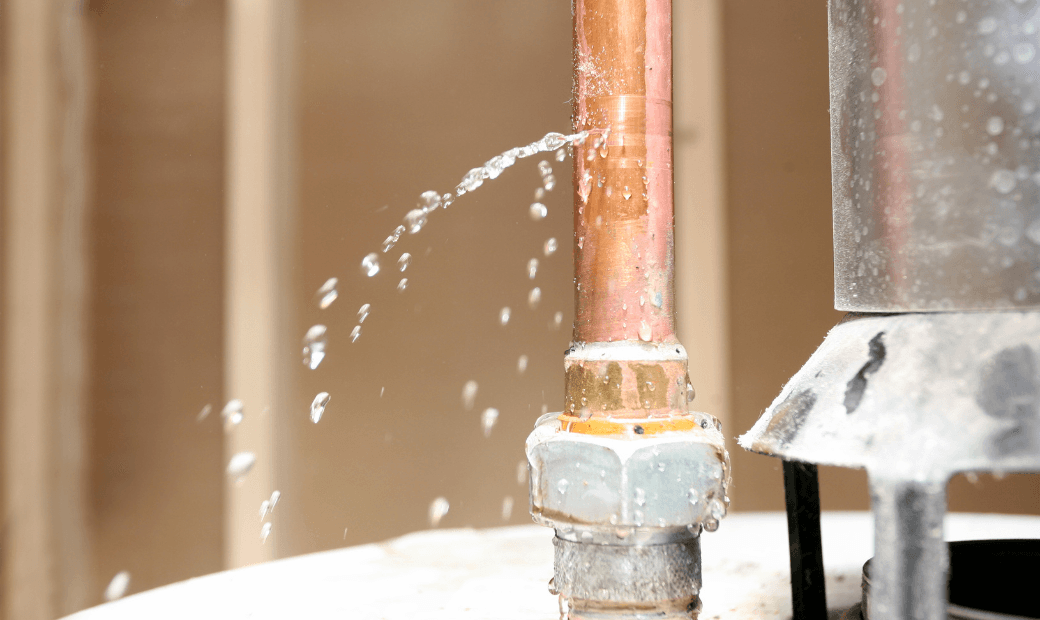
Escape of water – know the signsHome Insurance
2026
Escape of water – know the signs
Escape of water is an increasingly common source of property damage, accounting for 29% of UK home insurance claims between 2021 and 2024. In many cases,…
Read more
Escape of water is an increasingly common source of property damage, accounting for 29% of UK home insurance claims between 2021 and 2024. In many cases, escape of water is preventable if you know what signs to look for. According to recent data, home insurers paid out £163.6m in escape of water claims between 2021-2024, with the average cost of a claim rising by 50% during that time. What is escape of water? Escape of water is classified as a leak coming from inside the home, rather than flooding due to rain or the sea. This could include burst or blocked pipes, leaking appliances (such as a dishwasher or washing machine) and faulty heating systems. Escape of water is an increasing issue due to more homes having integrated appliances, ensuite bathrooms and other hidden plumbing. It is also more of a risk in the winter months, when exposed pipes can freeze over. When am I covered? Most home insurers will cover you in the event of sudden, unexpected leaks, but it’s important to check your policy terms. Buildings insurance policies will generally cover damaged walls, ceilings and pipework, while contents insurance will typically cover furniture, carpets and belongings. Your claim may be rejected if the leak is due to a lack of maintenance or long-term seepage. How can I prevent escape of water? You can’t stop all leaks from happening, however there are steps you can take to minimise the risk. Make sure any exposed water pipes are insulated and your house is kept warm during winter. Keep an eye out for damp or condensation that could be an indication of escape of water. Don’t forget to look for drips in hidden areas, such as under the sink and behind the washing machines. Check the seals around baths, showers and toilets – if they’re old or worn, water could start seeping in. Also, old appliances are more likely to have plumbing issues, so consider upgrading before they cause a leak and it’s too late. What do I do if there’s a leak? It’s important to know where your stopcock is, as you may need to use it to stop the water supply if you find a leak. Once you have done this, you should contact a professional to ensure the appropriate repairs are carried out. At this point, consult your home insurance policy to check if you will be covered. Many insurers now require policyholders to pay an excess when making a claim – this is often between £400 and £800. Check your policy It’s important to know exactly when you would be covered so there are no nasty surprises when you try to make a claim. We can talk you through your policy and make sure you have the right level of cover. Sources: https://www.netmums.com/cost-of-living/the-10-minute-check-uk-households-are-urged-to-do-to-avoid-the-164m-home-insurance-claim-sending-premiums-soaring

Your home may be repossessed if you do not keep up repayments on your mortgage.

Not sure how the market affects you?

Mortgage rates and criteria vary widely by lender. Your circumstances determine what's actually available to you.

More claims for accidental damageHome Insurance
2026
More claims for accidental damage
A recent report has found that accidental damage is the leading cause of home insurance claims in the UK.
Read more
A recent report has found that accidental damage is the leading cause of home insurance claims in the UK. According to Aviva, 32% of home insurance claims over the last four years were linked to accidental damage. Since 2022, the average value of these claims has risen by 63% to £1,869. This shows that, without the right cover, simple mistakes can be very expensive for homeowners. Examples of common accidents The research shows that incidents involving TVs accounted for 18% of accidental damage claims – this includes mistakenly knocking or hitting the TV screen. Spilled drinks are a common accident too, representing 8% of claims. Also, irons, hair curlers and hairdryers have scorched carpets and caused claims. Meanwhile, children account for 8% of claims, often due to spillages and broken gadgets. Are you covered? This data shows that accidents can easily happen, so it’s important to understand when you’re covered. Accidental damage is not automatically included in most standard home insurance policies, so you would need to purchase it as an optional extra. Incorporating this cost into your monthly premiums can save you money and stress if an accident does happen. Sources: https://www.aviva.com/newsroom/news-releases/2026/04/from-slips-to-spills-everyday-accidents-make-up-a-third-of-home-insurance-claims/

Your home may be repossessed if you do not keep up repayments on your mortgage.

Beware of auto-renewingHome Insurance
2026
Beware of auto-renewing
Research suggests that many UK households could be missing out on better home insurance deals as they have allowed their policy to auto-renew.
Read more
Research suggests that many UK households could be missing out on better home insurance deals as they have allowed their policy to auto-renew. A quarter of Brits let their home insurance renew automatically and 17% of this group haven’t checked if better deals are available. A further 8% admit that they left it too late to shop around, by which point their policy had already rolled over. The trend is particularly noticeable among men, who are more likely to let their policies auto-renew. While it can feel convenient, auto-renewal is not always the most cost-effective option. Insurance premiums and personal circumstances can change year to year, so you could end up paying more than necessary. Source: https://press.gocompare.com/news/a-quarter-of-brits-admit-to-letting-their-home-insurance-renew-automatically

Your home may be repossessed if you do not keep up repayments on your mortgage.

Could your locks void claims?Home Insurance
2026
Could your locks void claims?
Thousands of homeowners may not realise that outdated or unsuitable door locks could affect the validity of their home insurance cover.
Read more
Thousands of homeowners may not realise that outdated or unsuitable door locks could affect the validity of their home insurance cover. Security standards matter Research suggests many UK households may not realise their existing door locks and security arrangements no longer meet the requirements set out in their insurance policies. One issue that can lead to claims being rejected is failing to meet minimum door security standards specified by insurers. Most providers specify particular standards for locks, especially on external doors. If these requirements are not met, insurers may reduce payouts or reject claims altogether following a burglary. In many cases, homeowners may be unaware their locks no longer meet current standards, particularly if they have older doors, damaged locks or have not reviewed their home security arrangements for several years. Check your cover carefully Understanding the small print is important, as security conditions and exclusions can differ between insurers and policies. We can help you review your home insurance arrangements and ensure you understand the security requirements linked to your cover. Get in touch now. Source: https://www.businessupnorth.co.uk/home-contents-insurance-fine-print-faulty-door-locks-clauses-leave-northern-homes-uncovered/

Your home may be repossessed if you do not keep up repayments on your mortgage.

Home premiums continue to easeHome Insurance
2026
Home premiums continue to ease
Home insurance premiums have continued to fall, with average UK premiums dropping by 9% year-on-year in January 2026, according to recent analysis.
Read more
Home insurance premiums have continued to fall, with average UK premiums dropping by 9% year-on-year in January 2026, according to recent analysis. The improvement follows a significant reduction in severe weather warnings across the UK. Red storm warnings reportedly fell from 18 in 2022 to just four in 2024, while amber warnings also declined sharply over the same period. However, insurers are cautioning households about the risk of wetter-than-average weather and the potential for property damage later in the year. This means reviewing cover levels and policy terms remains important, even as premiums begin to ease. We can help review your options and ensure you have suitable cover in place. Sources: https://theintermediary.co.uk/2026/04/home-insurance-premiums-ease-as-storm-warnings-fall-compare-the-market/

Your home may be repossessed if you do not keep up repayments on your mortgage.

What is the rebuild cost divide?Home Insurance
2026
What is the rebuild cost divide?
Many UK homeowners could be underinsured because rebuild costs are often very different from property values, particularly in certain parts of the country.
Read more
Many UK homeowners could be underinsured because rebuild costs are often very different from property values, particularly in certain parts of the country. Property value versus rebuild cost House prices are not simply based on the cost of rebuilding a home. In many areas, values are heavily influenced by location and land prices rather than the bricks and mortar alone. As a result, the rebuild cost of a property can differ significantly from its market value. In some regions, the cost of reconstructing a home after a major disaster could exceed the insured amount by hundreds of thousands of pounds. Research suggests regional variations are becoming increasingly noticeable. In some parts of the UK, particularly where property prices have risen sharply due to demand and location, the market value of homes can be substantially higher than the actual rebuild cost. In other areas, rebuild costs can outweigh property values due to rising construction expenses and local labour shortages. This means homeowners cannot assume their property’s sale price automatically reflects the amount they should insure it for. The underinsurance problem Buildings insurance limits are often linked to property valuations, which can create serious underinsurance risks. If cover is based on an inaccurate estimate, homeowners may find they are not fully protected if they ever need to make a major claim. Recent analysis found that 70% of UK properties are underinsured, while 23% are overinsured, leaving only a small minority insured for the correct amount. The regional divide is also significant. Wales recorded the highest level of underinsurance at 80%, followed by the North West at 77% and Northern Ireland at 75%. Meanwhile, Scotland and the South East reported some of the highest levels of overinsurance. Construction costs, labour shortages and rising material prices have further increased the importance of accurate rebuild assessments in recent years. The cost of materials has fluctuated considerably, while higher energy and transportation costs have also affected the sector. How homeowners can review cover Many homeowners mistakenly assume their insurer will automatically calculate the correct rebuild value. However, this is not always the case, which is why reviewing your cover regularly is so important. Home improvements, such as extensions, can also affect rebuild costs. If these changes are not reflected in your insurance policy, you may not have sufficient cover in place. Having the right level of buildings insurance could help prevent costly shortfalls following major property damage. Speak to us today Get in touch. We can help you to ensure your property has an appropriate level of cover. Sources: https://www.insurancetimes.co.uk/analysis/the-underinsurance-divide-thats-splitting-the-country/1458289.article

Your home may be repossessed if you do not keep up repayments on your mortgage.

Too loyal to your home insurer?Home Insurance
2026
Too loyal to your home insurer?
Recent research indicates that fewer home insurance customers are shopping around and switching providers, which means they could be missing out on more…
Read more
Recent research indicates that fewer home insurance customers are shopping around and switching providers, which means they could be missing out on more suitable deals. According to Consumer Intelligence, the number of consumers who are shopping around for new home insurance policies has fallen by 8% since the start of 2024. Similarly, the number of people who have made a switch has gone down by 7%, suggesting that policyholders are becoming increasingly loyal to their providers. The research found that this trend is evident across all age groups. The largest decline in shopping around was seen among consumers between 35 and 54, where activity fell by 12%. Meanwhile, the smallest drop was recorded among consumers aged 55 and above, although the decline of 5% still points to fewer people comparing policies before renewing. Premiums on the rise Many customers have noticed a rise in the price of their premiums, indicating that many people are sticking with the same policy even when the price increases. Among respondents who renewed their policy between March 2025 and February 2026, over half (54%) said that their renewal quote was higher than the previous year. A quarter (26%) said the price remained unchanged and only 18% saw the price decrease. It’s not all about price Although cost is an important consideration, choosing home insurance should never be solely about finding the cheapest premium. The right policy should provide an appropriate level of protection for your property. When survey respondents were asked why they did not shop around for an alternative policy, 13% said that they were satisfied with the current level of cover. Meanwhile, 10% said they had excellent service and a further 10% believed their insurer offered competitive pricing. These findings highlight that comprehensive cover and a reliable insurer are just as important as a policy that is good value. The importance of advice Even if you are happy with your current insurer, it is important to review your policy as your circumstances may change over time. If you have renovated your home, you will likely need a different level of cover to reflect the new rebuild cost. We understand that it can be easier to stick with what’s familiar, but you could be losing out on a policy that is better suited to your needs. Switching providers does not have to be time-consuming when you’re working with a professional adviser. We’ll do the research for you, so you can make an informed decision and have peace of mind that your home is appropriately insured.

Your home may be repossessed if you do not keep up repayments on your mortgage.

Away from home cover: what you need to knowHome Insurance
2026
Away from home cover: what you need to know
If you’re packing for a holiday, it’s important to remind yourself which items would be covered if you take them away.
Read more
If you’re packing for a holiday, it’s important to remind yourself which items would be covered if you take them away. When taking your possessions out of the house, it is easy to assume they will automatically be covered under your contents insurance. However, you usually will need to purchase additional cover to insure belongings that you take away from home. Even then, there are times when you won’t be covered, so it’s important to check your specific policy. For example, an item must be carried by you or someone who lives with you in order to be covered. So, if you leave your phone in the care of your friends while you’re on holiday and it gets stolen, you might not be able to make a claim. Or if you drop your phone in the sea, you may not be covered because some insurers don’t pay out for liquid damage. Additionally, possessions left in a hotel room are not always insured, except in cases of forced or violent entry. It’s therefore advisable to keep valuables in a hotel room safe and make sure you have appropriate travel insurance. Don’t leave it to chance - get in touch with us to ensure your possessions will be fully covered while you are out and about in the summer months.

Your home may be repossessed if you do not keep up repayments on your mortgage.
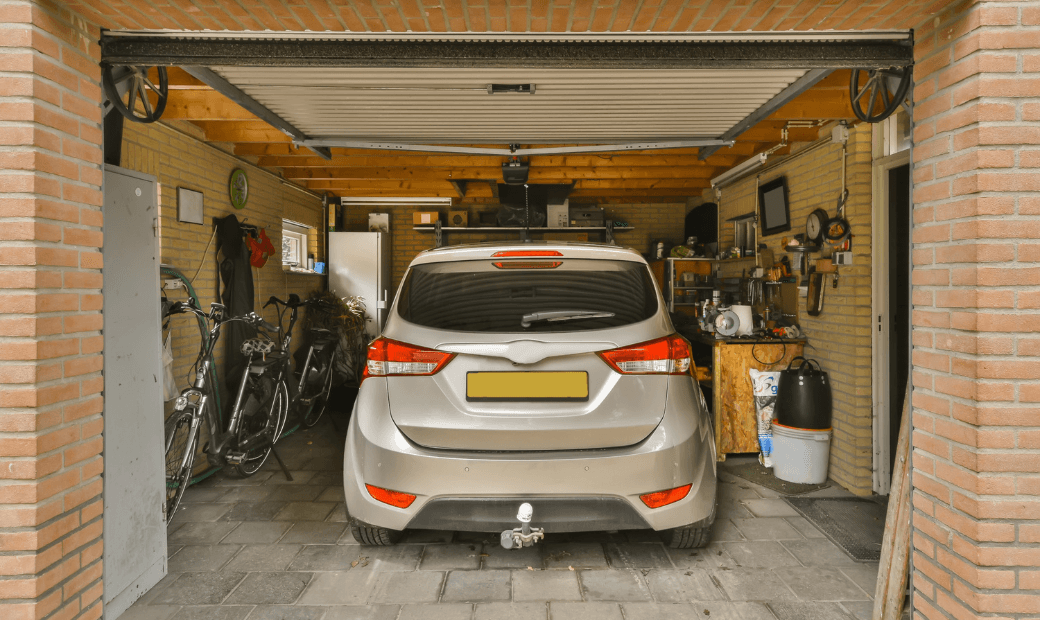
Garage thefts on the riseHome Insurance
2026
Garage thefts on the rise
According to the Association of British Insurers, home insurers paid out a record amount for theft-related claims in the first quarter of 2026.
Read more
According to the Association of British Insurers, home insurers paid out a record amount for theft-related claims in the first quarter of 2026. The average sum paid out for a theft claim at the start of the year was £4,350, which is 14% higher than last year’s average. Meanwhile, separate data from the police force shows that garage thefts increased by 13% across Britain between 2022 and 2025. Two in five of these break-ins were preventable, as the door was left open at the time of the theft. It’s easy to get complacent and think it won’t happen to you, but these statistics highlight the importance of making sure your home is secure. Take the time to lock up your garage and outbuildings as they can be easy targets.

Your home may be repossessed if you do not keep up repayments on your mortgage.

How are my premiums calculated?Home Insurance
2026
How are my premiums calculated?
Have you ever wondered how your home insurance premiums are calculated? We explain the reasons why the price can sometimes fluctuate.
Read more
Have you ever wondered how your home insurance premiums are calculated? We explain the reasons why the price can sometimes fluctuate. You might have noticed that the cost of home insurance premiums can rise and fall. For example, in Q4 of 2025 the average building and contents insurance cost £379. While this is £14 lower than the previous year, it is higher than in 2022, when the average policyholder was paying £305. This changeable rate is due to several different factors which determine the cost of your premiums. You and your home When you take out a policy, your insurer will ask for information about you and your property to ascertain the level of cover you need. Where you live will be taken into consideration – the insurer will assess the chance of you making a claim in your area and look at the average cost of any previous claims in your neighbourhood. The build of your property can affect the price – for example, there is a heightened fire risk if it has been constructed with timber frames, so your insurance may be more expensive. Or, if your home is made from unusual materials, this will increase the rebuild cost, so your premiums might rise accordingly. Your insurer will ask if you have made any previous claims. If the answer is yes, they may assess that the chances of making a payout are higher, therefore your price will go up. Despite this, it is vital you answer this question truthfully – if you have withheld information, you risk invalidating a claim, which will cost you more in the long run. External factors It is not just your personal details that will affect the price of insurance. When you pay a premium, the money goes into a central pot that the insurer uses to make payouts to any of its customers. Therefore, if the insurer has an influx in claims, they may need to increase their premiums for new customers to be able to make all their payouts. Periods of severe weather can therefore be costly for everyone, even if your home hasn’t been directly affected by a storm. Inflation will also influence the amount that insurers charge. Rising energy costs and supply chain disruptions have an impact on the repair costs – in turn, this will cause the average claim to rise, which will ultimately filter through to your premium price. Seek professional advice If your home insurance is coming up for renewal, it’s important to check your policy still meets your needs. Professional advisers can source products that aren’t available on price comparison sites. Talk to us to ensure you have the right level of cover.

Your home may be repossessed if you do not keep up repayments on your mortgage.

Are your valuables covered?Home Insurance
2026
Are your valuables covered?
Are you covered? A survey has found that 48% of UK homeowners aren’t.
Read more
Are you covered? A survey has found that 48% of UK homeowners aren’t. A quarter (24%) of respondents did not know the value of their most prized item, suggesting that they could be inadequately insured. Many standard contents insurance policies only cover items of £1,000 to £2,000. If an item is worth more, you are likely to need to purchase specialist cover. The findings highlight the risk of relying solely on a price comparison site to purchase insurance, as a consumer may not always be asked for detailed information about each individual possession. It is therefore important to seek professional advice and check your single item limit, so you can protect what matters most. Source: https://www.insurancebusinessmag.com/uk/news/property-insurance/are-comparison-site-users-getting-enough-advice-on-what-they-are-actually-insuring-580424.aspx

Your home may be repossessed if you do not keep up repayments on your mortgage.
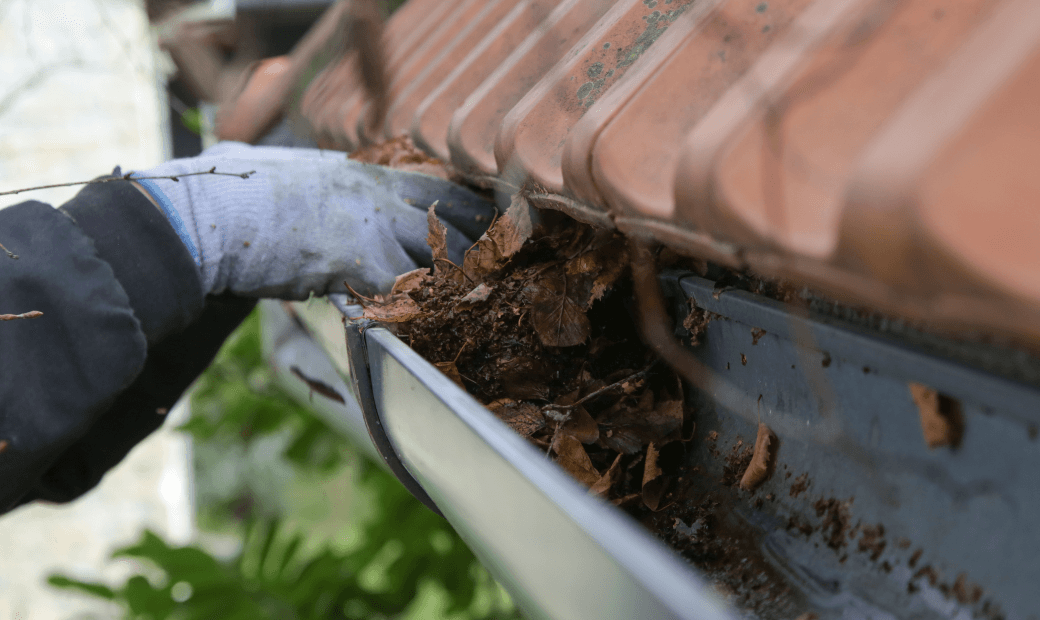
Don’t invalidate your home insuranceHome Insurance
2026
Don’t invalidate your home insurance
An estimated 3.1 million home insurance policyholders in the UK are at risk of having their cover cancelled or voided. Here are some common mistakes to avoid.
Read more
An estimated 3.1 million home insurance policyholders in the UK are at risk of having their cover cancelled or voided. Here are some common mistakes to avoid. Research has found that the most common pitfall is falling behind on home maintenance tasks, with just under 4% of policyholders admitting to this. It is tempting to put off routine jobs, but insurers do not usually cover damage caused by wear and tear. Keeping your home in good condition can therefore prevent problems that you can’t claim for. Another key mistake is failing to update insurers with important information – 1.19% said they did not notify their insurer about damage to a property, even though this is a standard requirement. Meanwhile, 1.15% said they didn’t tell their insurer about building work. When a property is under construction, there is an increased risk of damage and accidents. If an incident occurred, the policyholders would be left to foot the bill without any support from their insurer. If your policy is cancelled or declared void because important information wasn't disclosed, future insurance may become significantly more expensive. Source: https://www.gocompare.com/home-insurance/news/refused-or-cancelled-home-insurance/

Your home may be repossessed if you do not keep up repayments on your mortgage.

FTBs making smart sacrificesFirst-Time Buyers
2026
FTBs making smart sacrifices
A survey of homeowners has highlighted the savvy behaviours of today’s first-time buyers (FTBs).
Read more
A survey of homeowners has highlighted the savvy behaviours of today’s first-time buyers (FTBs). The report found that over half of FTBs are opting to buy a studio flat or a home with one or two bedrooms. Also, 67% said they purchased a property in an area they were unfamiliar with due to affordability challenges and a lack of suitable properties. But one in four new homeowners are moving on after an average of four and a half years, with 37% of respondents saying this was due to space sacrifices and 18% citing location as a key factor. David Morris at Santander commented that “the new wave of more savvy first-time owners seems to be increasingly pragmatic”; they are making compromises to get on the property ladder, then moving on to somewhere “better suited to their long-term needs”.

Your home may be repossessed if you do not keep up repayments on your mortgage.

Get mortgage-ready this yearAdvice
2026
Get mortgage-ready this year
Hoping to move or remortgage this year? Here’s how to get mortgage-ready in 2026.
Read more
Hoping to move or remortgage this year? Here’s how to get mortgage-ready in 2026. Review your finances Now that the busy festive period is over, why not take this opportunity to organise your finances. Go through your bank statements and identify where you can reduce your spending – not only will this help you save for a deposit, but it will make your mortgage application stronger in the eyes of a lender. Set savings goals There are many hidden costs associated with moving, including conveyancing fees, removal vans, stamp duty and surveys. Considering these additional costs now will help you plan realistically and start saving accordingly. Check your credit score Most lenders use one of three main credit reference agencies to check your credit report – TransUnion, Equifax and Experian. You can check your score for free now, giving you time to make any necessary improvements before applying. Consult a mortgage broker Seeking professional advice early can make sure you’re well prepared for the mortgage process. It can help you set a realistic budget and gives you an opportunity to strengthen your application.

Your home may be repossessed if you do not keep up repayments on your mortgage.

Is your mortgage deal coming to an end?Remortgaging
2026
Is your mortgage deal coming to an end?
Over 760,000 borrowers will be considering their mortgage options as their fixed-rate deals come to an end this year.
Read more
Over 760,000 borrowers will be considering their mortgage options as their fixed-rate deals come to an end this year. Those with five-year deals about to expire may be anticipating sharp rises in their monthly bills; they will have fixed their mortgage in 2020, when interest rates were as low as 1.4%. Since then, rates have soared, meaning payments could increase by up to £300 a month. Although rates are a lot higher than they were five years ago, this summer did see some lenders cutting their rates as they competed for remortgage deals amid slow buying activity. In July, there were 41,800 remortgage approvals, the highest since October 2022 after Liz Truss’ mini budget. Seek advice in times of change In uncertain economic times, it can be difficult to know what to do if your mortgage deal is coming to an end. Fixed deals are not your only option; there are tracker mortgages, standard variable rates and others which may be suited to your specific circumstances. A professional adviser can talk you through your options so you can make an informed decision. You may have to pay and early repayment charge to your existing lender if you remortgage

Your home may be repossessed if you do not keep up repayments on your mortgage.
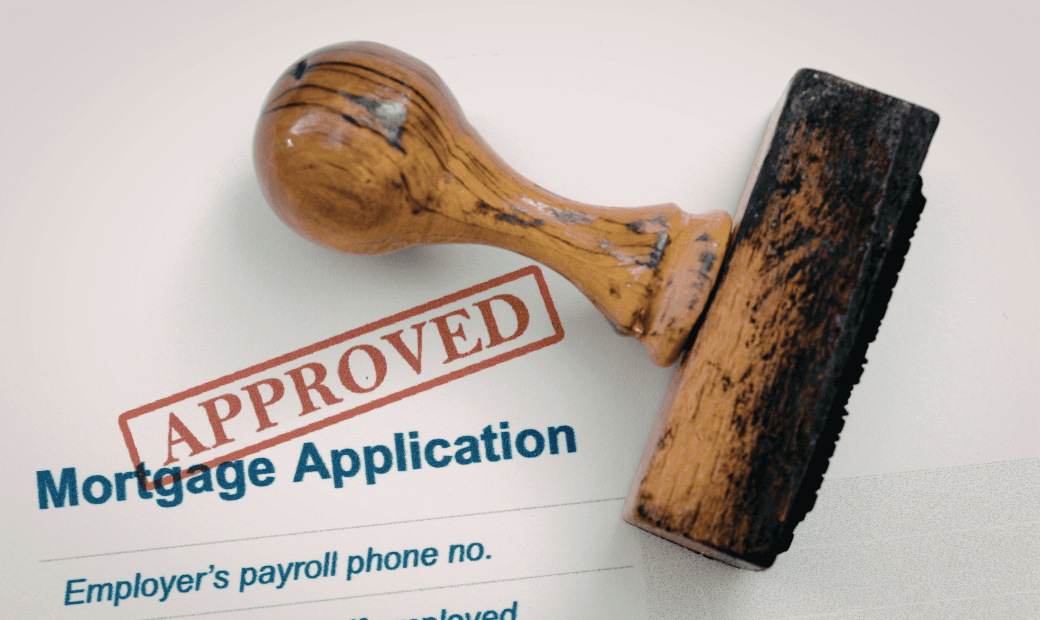
The rise of ultra-long mortgagesMarket News
2026
The rise of ultra-long mortgages
Data from the Financial Conduct Authority (FCA) indicates that more borrowers are opting for ultra-long mortgages in an effort to manage rising housing costs.
Read more
Data from the Financial Conduct Authority (FCA) indicates that more borrowers are opting for ultra-long mortgages in an effort to manage rising housing costs. According to the analysis, in 2024 there were 116,276 mortgages taken out with repayment periods of 35 years or more. This is over three times the number sold in 2020, highlighting how borrowing conditions have changed significantly in recent years. As affordability challenges persist for buyers, longer mortgage terms help to reduce the cost of monthly repayments. While this can make finances easier to manage in the short term, it is more expensive in the long run. The longer a mortgage, the more interest is accrued, meaning borrowers could end up paying substantially more for their home over time. Plus, the average age of first-time buyers has risen to 34, so many people could have mortgages that extend into retirement, which can create challenges for long-term financial planning. The cost of longer mortgages Calculations by Compare the Market highlights the cost of ultra-long mortgages. Using the average UK house price of £293,000 and a 10% deposit, the figures show how interest costs can quickly add up over time. Based on a 36-year mortgage, the difference between a two-year fixed rate of 4.32% and a slightly lower rate of 4.03% equates to a difference of £20,197 in additional interest repayments. This shows that even small differences in interest rates, when combined with very long mortgage terms, can significantly increase the total cost of borrowing. For borrowers considering an ultra-long mortgage, it’s therefore important to weigh the short-term benefit of lower monthly payments against the long-term cost. Make sure to review options regularly as circumstances and interest rates change. What we know about 2025 Data for the first nine months of 2025 shows that London was the most popular area to take out ultra-long mortgages. During this period, 12,554 mortgages were taken out with terms over 35 years. This is slightly lower than the 14,455 recorded over the same period in 2024, but is higher than the 10,676 seen in 2023. After London, the South West saw the most ultra-long mortgages (12,457), followed by the East of England (11,181) and the South East (10,373). These are the regions where houses are most expensive, underlining the link between higher property prices and the growing use of extended mortgage terms. Talk to us If you’re hoping to make your property dreams come true this year, get in touch. We can talk through your mortgage options and help find a suitable option that will work for you, both now and in the future.

Your home may be repossessed if you do not keep up repayments on your mortgage.

A recap of 2025 housing reformsMarket News
2026
A recap of 2025 housing reforms
Last year saw significant housing reforms for renters and homebuyers – here’s a recap of what you need to know.
Read more
Last year saw significant housing reforms for renters and homebuyers – here’s a recap of what you need to know. Change to renters’ rights The Renters’ Rights Act received Royal Assent in October 2025 and will come into force in three phrases this year. The initial phase of the rollout in May will include the much-awaited end to Section 21 ‘no fault’ evictions in England. Plus, all fixed term tenancies will automatically convert to periodic tenancies. Scotland rent controls Scotland has also seen reforms for renters. Local authorities will be able to designate Rent Control Areas, where there will be a cap on how much landlords can raise rent. Plus, councils will be required to act sooner to prevent homelessness. Stamp Duty changes In April 2025, Stamp Duty thresholds reverted to their higher level in England and Northern Ireland. First-time buyers now have to pay the tax on homes above £300,000 and other buyers will be charged on properties over £125,000. Reforms in Wales Legislation is underway to improve the safety of tall buildings and houses in multiple occupation. Also, the Homelessness and Social Housing Allocation (Wales) Bill plans to improve access to housing support.

Your home may be repossessed if you do not keep up repayments on your mortgage.

The UK’s fastest-rising house pricesHouse Prices
2026
The UK’s fastest-rising house prices
Research from Rightmove has identified the UK towns that recorded the strongest house price growth last year.
Read more
Research from Rightmove has identified the UK towns that recorded the strongest house price growth last year. The list was largely dominated by towns in Scotland and the north of England. Hawick in the Scottish Borders saw the biggest annual rise, with prices increasing by 18% in 2025. Durham followed with a 15% increase, while Stannington in Sheffield saw prices grow by 12%. Across the 50 locations with the fastest-growing house prices, the average property value was £270,711, 26% lower than the national average of £368,031. In fact, 43 of the 50 fastest-growing towns had prices below the national average. This emphasises the growing trend that more affordable areas are experiencing the strongest price growth.

Your home may be repossessed if you do not keep up repayments on your mortgage.

Changes in borrower behaviourInterest Rates
2026
Changes in borrower behaviour
Analysis from Moneyfacts shows how borrowers’ priorities have shifted due to the economic impact of the Middle East conflict.
Read more
Analysis from Moneyfacts shows how borrowers’ priorities have shifted due to the economic impact of the Middle East conflict. Mortgage rates have been fluctuating since March and the short-term economic outlook is still unpredictable. As such, borrowers are increasingly looking for more flexible mortgage deals in the hope that rates will come down soon. According to the data, 6% of borrowers were looking for a variable or tracker deal last September, but this figure rose to 13% in April after the outbreak of war. Meanwhile, the share of mortgage holders looking for a two-year fixed deal increased from 49% to 53%. The statistics suggest that people are reluctant to commit to a five-year deal at the moment, as searches have gone down from 27% to 23%. Adam French at Moneyfacts said, “Demand for five-year fixes is usually strongest among homemovers, who value certainty in their monthly payments, particularly as they have usually taken on a larger debt. Instead, there has been a dramatic swing towards shorter term options.” We can help you navigate the changing mortgage market and find a deal that works for you and your finances. Get in touch for advice today.

Your home may be repossessed if you do not keep up repayments on your mortgage.

Fewer buyers looking to renovateHome Movers
2026
Fewer buyers looking to renovate
Research from Yopa indicates that the majority of buyers are looking for homes that require little to no work.
Read more
Research from Yopa indicates that the majority of buyers are looking for homes that require little to no work. According to the survey, 54% of people who bought a home in the last year were only prepared to make minor cosmetic changes to their new home. Meanwhile, 23% were looking for a fully modernised ‘turnkey’ property that was ready to live in. Only 3% were actively seeking a full renovation project and a further 3% were willing to buy a home that needed structural changes. When asked why they did not want to renovate, 21% said they would rather avoid the disruption and 17% wanted to move in quickly. Of the people who were up for a project, 21% said it was so they could benefit from a lower purchase price, while 19% wanted the opportunity to create their own style. Sources: https://theintermediary.co.uk/2026/06/77-of-homebuyers-seek-properties-requiring-no-work-finds-yopa/

Your home may be repossessed if you do not keep up repayments on your mortgage.

First Homes Fund opens for Scottish FTBsFirst-Time Buyers
2026
First Homes Fund opens for Scottish FTBs
Applications for the Scottish Government’s First Homes Fund are now open, providing first-time buyers (FTBs) with up to £10,000 towards a deposit.
Read more
Applications for the Scottish Government’s First Homes Fund are now open, providing first-time buyers (FTBs) with up to £10,000 towards a deposit. The First Homes Fund is a shared-equity scheme open to any prospective new homeowners in Scotland. The fund can be used to purchase any home (whether new build or existing property) valued up to £300,000. It is part of the Scottish Government’s plans to support 50,000 households over the course of this Parliament. This first phase of the fund is set to help 2,000 FTBs get on the property ladder by September. If you buy using the First Homes Fund, the Scottish Government will own a share of your property. However, you would still own the home and hold the title to it. To protect the Government's share, you must have a mortgage covering at least 25% of the purchase price. The Government's share is usually repaid when the property is sold. You must have had an offer accepted on a home before applying for the First Homes Fund. However, it's worth discussing your options beforehand. Contact us if you would like to find out more. We can answer your questions and help you decide whether the scheme is right for you.

Your home may be repossessed if you do not keep up repayments on your mortgage.

Navigating the homebuying processFirst-Time Buyers
2026
Navigating the homebuying process
Buying a home is an exciting prospect, but it can also come with stresses. From property hunting through to moving day, there is a lot to consider during…
Read more
Buying a home is an exciting prospect, but it can also come with stresses. From property hunting through to moving day, there is a lot to consider during the process. The impact on wellbeing According to research from Barratt Homes, 60% of UK homeowners said that the homebuying process took a toll on their mental wellbeing. An additional 35% experienced disrupted sleep, while 29% reported that their sense of financial security was impacted. The survey found that legal or conveyancing delays were the biggest source of stress, with 43% of respondents identifying this as a challenge. More than a third (37%) said that they were stressed due to a deal falling through or nearly falling through and 29% had challenges finding a suitable property. If you too are feeling stressed by the homebuying process, here are some top tips to help the journey feel more manageable. Expect the unexpected There is a lot of uncertainty that comes with buying a home - it can be hard to predict exactly when you will be able to move, particularly if you are part of a chain. It’s therefore advisable to expect delays so that you don’t feel disappointed if the legal process takes longer than anticipated. Try not to cut costs We understand that buying is a very expensive process. During this time, you might be cautious about your spending in other aspects of your life, so that you can save money where you can. However, it is important not to skip over certain parts of the homebuying process, as this could cost you more further down the line. For example, it may feel like getting a house survey is an avoidable expense, but this vital step highlights any issues with the property that could be costly to repair. Identifying these defects at an early stage may prompt you to renegotiate the purchase price, budget for repairs or even change your mind about buying the property. A step at a time It can be overwhelming to think about the whole homebuying process, so take it a step at a time rather than worrying about moving day before you’ve even placed an offer. That will allow you to focus on what you need to do right now, like attend a viewing or make a mortgage application. It can also help to store all important paperwork, emails and online documents in one place, so the information is easily accessible. Remember why you’re doing it If you’re ever feeling frustrated, remind yourself of the end result. Make sure to celebrate the small milestones, because each step takes you closer to collecting your keys and moving into your new home. You don’t have to navigate the homebuying process alone – we can help alleviate the stress and support you every step of the way.

Your home may be repossessed if you do not keep up repayments on your mortgage.

New ISA product for first-time buyersFirst-Time Buyers
2026
New ISA product for first-time buyers
In June, the government launched a consultation on the implementation of a new Individual Savings Account (ISA) product to support first-time buyers (FTBs).
Read more
In June, the government launched a consultation on the implementation of a new Individual Savings Account (ISA) product to support first-time buyers (FTBs). The FTB ISA is due to be introduced in April 2028 and, once available, is intended to replace the Lifetime ISA (LISA). A key difference between the two products is that the new FTB ISA will have no upper age limit. Currently, you have to be under 40 to open a LISA, but the FTB ISA will be available to any new homeowner over the age of 18. Also, savers will be able to withdraw cash from the FTB ISA without a penalty, whereas there is currently a 25% charge on ineligible withdrawals or transfers from a LISA. If you have a LISA, currently you receive a 25% bonus from the government each month. With the new FTB ISA, the bonus will be paid as a lump sum at the point of purchase, so savers will not be able to accrue interest on the bonus. The government has yet to announce what percentage of bonus it will pay on the FTB ISA and how much you will be able to save each year. Savers can still open LISAs until 2028 and continue making contributions after the new product is launched.

Your home may be repossessed if you do not keep up repayments on your mortgage.
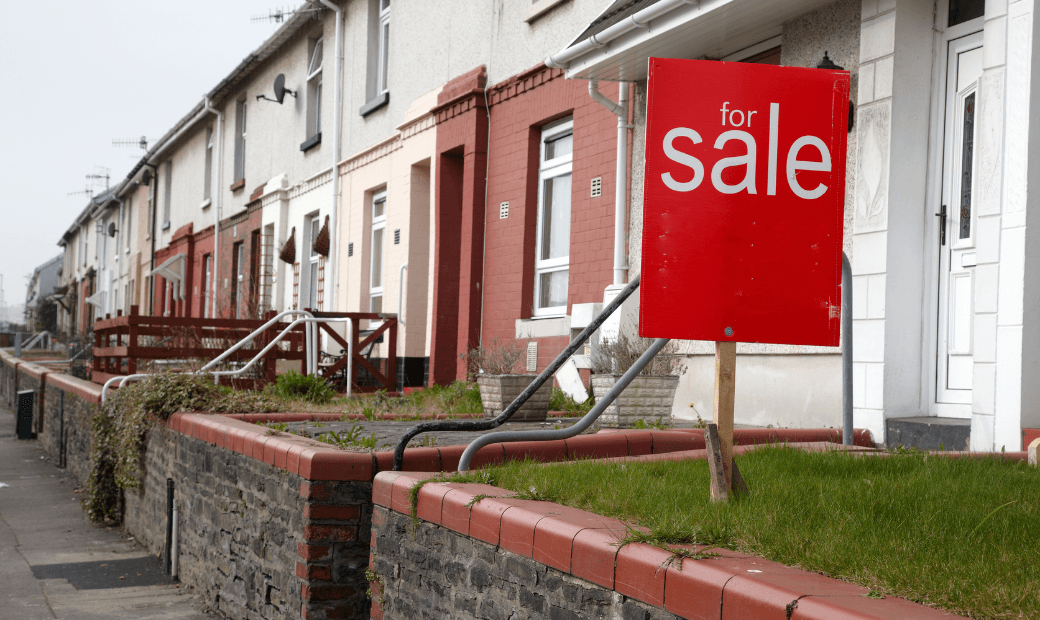
Plans to end ‘gazumping’ in EnglandMarket News
2026
Plans to end ‘gazumping’ in England
A series of reforms have been announced which will improve the homebuying process in England and Wales, including putting a stop to ‘gazumping’.
Read more
A series of reforms have been announced which will improve the homebuying process in England and Wales, including putting a stop to ‘gazumping’. Gazumping explained In June, Starmer’s Labour Government unveiled plans to simplify and speed up housing sales. One key element is an end to gazumping - when buyers are outbid on a property after an offer has been accepted. Gazumping can currently happen at any point up until contracts are exchanged, so a buyer could be going through the conveyancing process, with the home listed as sold subject to contract. Another party could then come in and make a higher offer at the last minute, causing the original buyer to be pushed out. This often comes at a high cost for the gazumped buyer, who has put time and money into the homebuying process. To prevent this, Starmer’s government announced that sales agreements will become legally binding at an earlier stage. If a party breaks these terms without a valid reason, they would face a financial penalty. This is already the case in Scotland, where the homebuying process is often quicker than in other parts of the UK. Introducing sales packs To introduce binding conditional contracts, sellers and estate agents will be required to share more information about the property upfront in the form of sales packs. This will ensure that buyers have access to all relevant information about the home’s condition, leasehold costs and chain status, allowing them to make an informed decision before placing a formal offer. Raising standards for estate agents According to the government’s roadmap, later this year there will be a Code of Practice for estate agents, with minimum standards and guidance to improve the information included in property listings. In 2027, there will be a consultation into mandatory qualifications for estate agents to support efficient transactions. A smoother process It is anticipated that these reforms will save time and money. One in three sales currently fall through, costing sellers around £400m per year in England and Wales. The average purchase takes 120 days, but the government estimated that the changes will reduce homebuying times by about four weeks and save the average first-time buyer £650. Starmer’s government planned to implement the changes by the end of Parliament in 2029, but we await further information from Burnham’s government regarding the roadmap. Here to help If you would like support with any part of the homebuying process, our experts are here to help. We can source a mortgage that is right for you and your circumstances – just get in touch today.

Your home may be repossessed if you do not keep up repayments on your mortgage.

More first-time buyers (FTBs) over 50First-Time Buyers
2026
More first-time buyers (FTBs) over 50
Recent data shows that there are more over 50s taking their first step on the property ladder.
Read more
Recent data shows that there are more over 50s taking their first step on the property ladder. According to analysis of Financial Conduct Authority (FCA) data, first-time buyers aged 51 or over increased significantly between 2020 and 2024, rising by 43% over this period. Those buying their first home at the age of 41 or over increased by 10.5% since 2020. It is projected that over 50s will account for 5% of the FTB market by 2030 and over 40s will account for 16.4%. This is reflective of a housing market which has become increasingly challenging for prospective homeowners. However, it highlights that it is never too late to make your property dreams come true - get in touch with us to discuss your aspirations.

Your home may be repossessed if you do not keep up repayments on your mortgage.
How to get the right protection coverProtection
2026
How to get the right protection cover
It’s important to ensure that you and your family have the right level of protection, without paying more than is necessary.
Read more
It’s important to ensure that you and your family have the right level of protection, without paying more than is necessary. Everyone is different and will require their own amount of protection cover to reflect their specific needs. It’s therefore strongly recommended that you work with a professional adviser like ourselves who can source a policy that is tailored to you. The cost of your protection will depend on a range of factors, including your health, the amount of cover required and the policy term. If you’re concerned about affording cover, it’s important to consider what is most important to protect. For example, life insurance is essential for families – it can give you peace of mind that your partner and children would be financially supported in the event of your death. However, someone who doesn’t have dependents might choose to prioritise income protection insurance, so they have a safety net if they are unable to work due to illness or injury. Circumstances can easily change, so it’s important to review your policy regularly. As your needs evolve, we can help you to adjust your policy accordingly.

Your home may be repossessed if you do not keep up repayments on your mortgage.

Life Insurance myths bustedProtection
2026
Life Insurance myths busted
Are you fully informed about life insurance? Here are some myths that still catch people out.
Read more
Are you fully informed about life insurance? Here are some myths that still catch people out. A concerning knowledge gap According to a survey, only 45% of UK adults have a life insurance policy in place, while 15% don’t know if they have one. This means that over half of Brits risk leaving their loved ones without any financial protection if the worst happened. Moreover, the research highlighted that nearly a fifth (18%) of respondents don’t know what life insurance is. It’s therefore vital to get informed, as some common misconceptions can stop people from taking out vital protection. It doesn’t have to be expensive Some people believe that life insurance is ‘too expensive.’ However, the cost of monthly premiums is not ‘one size fits all’ - the price will vary depending on a range of factors, including your age, medical history, policy length and more. For example, decreasing term insurance is usually taken out in conjunction with a mortgage, so the payout reduces over time. It is typically cheaper than level term insurance or whole of life cover, however it will usually only cover the cost of your mortgage (not other bills and living costs). We can help find a deal that suits your budget while protecting what’s important. Got a medical condition? Some people think they can’t take out life insurance if they have a pre-existing medical condition. However, it could still be possible. If you have a mild condition that has little effect on your everyday life, you may be able to take out a standard policy. For more severe health conditions, your policy may need to be adapted and your premiums may be higher. In certain high-risk cases, you might need specialist cover. In all instances, it’s important to seek professional advice so you can have peace of mind that you are appropriately insured. Never too young for protection You might think you’re too young to need life insurance. However, premiums are typically cheaper at a younger age, so getting cover now may mean paying less than others as you get older. It’s particularly advisable to get protection if you have any financial dependents. You should also consider life insurance if you have significant financial commitments, such as rent or mortgage payments. Getting covered could help your loved ones to stay living in their home in the event of your death. Here to help We can help source a policy tailored to your specific needs at a price that works for you. Get it in touch today.

Your home may be repossessed if you do not keep up repayments on your mortgage.

Make protection a priorityProtection
2026
Make protection a priority
A survey has revealed that homeowners are more likely to plan a new kitchen than seek out protection.
Read more
A survey has revealed that homeowners are more likely to plan a new kitchen than seek out protection. Research found that respondents were more likely to spend money on new furniture (36%), redecorating (26%) or installing a new bathroom or kitchen (25%) than on taking out protection insurance, with only 15% saying it was a priority. However, many mortgage holders expressed concern about their financial security, with 62% saying they are worried they could lose their home if they became too ill to work. More than half (56%) admitted they would struggle to keep up with mortgage repayments after six months without an income.

Your home may be repossessed if you do not keep up repayments on your mortgage.

Rethinking protection for longer lifespansProtection
2026
Rethinking protection for longer lifespans
The average age of the population is getting older, which will likely change the type of protection people need in future.
Read more
The average age of the population is getting older, which will likely change the type of protection people need in future. A report found that by 2050, 27% of people living in advanced economies will be over 65. As longevity increases, the demands placed on insurers - and on individuals - will evolve. Traditionally, protection products have focused on providing financial safety nets in the event of illness or death, often through income replacement. Longer lifespans mean cover may need to last longer and respond to more complex circumstances. People are working later, building assets over extended careers and supporting family members across multiple generations. There is also a growing need to consider later-life health risks and the potential cost of care. Protection is no longer just about replacing income for a limited period - it’s about safeguarding financial stability over decades. Regularly reviewing policies helps ensure cover remains appropriate as responsibilities, health and lifestyles change. As we live longer, protection must adapt - providing resilience, certainty and peace of mind for a longer, more unpredictable journey.

Your home may be repossessed if you do not keep up repayments on your mortgage.

Self-employed? Get protectionProtection
2026
Self-employed? Get protection
If you’re self-employed, it’s essential to ensure you have the right protection in place – otherwise, you risk leaving yourself financially vulnerable if…
Read more
If you’re self-employed, it’s essential to ensure you have the right protection in place – otherwise, you risk leaving yourself financially vulnerable if you’re unable to work. Many people enjoy the freedom that comes with being self-employed – you can be your own boss and work on your own terms. However, it does mean that you’re not eligible to receive Statutory Sick Pay if you’re unwell. No sick pay, no safety net Research has found that self-employed people take 35% fewer sick days than employed workers because they’re worried about losing out on income. However, carrying on working could be more detrimental to your health in the long run. It’s therefore vital to have appropriate income protection in place, so you can take the time you need to return to full health. The importance of income protection Income protection insurance provides a portion of your income (typically 50-70%) if you are unable to work due to illness or injury. It pays out regular monthly payments until you return to work, retire, or reach the end of your policy term. Unlike critical illness cover, income protection covers a wide range of medical conditions, from mental health issues to physical health conditions. If you have a pre-existing condition, this may not be covered by the insurer, so it’s important to understand your policy terms. The waiting period Once you have stopped work, you will typically have to wait a specific length of time before you can claim income protection payments – this is called the deferred period. As you don’t qualify for Statutory Sick Pay, you may opt for a shorter deferred period so that you can receive financial support sooner. This does mean that your premiums will be higher, so it’s important to calculate how long you could manage without an income. How your work affects your insurance If your job involves a level of risk, this may impact your cover. For example, you might be a contractor who frequently uses heavy machinery and works at height. When applying for income protection, your insurer will ask a range of questions about your job so they can ascertain how much cover you need. It’s important to answer these truthfully, or you risk invalidating your policy. Executive income protection If you are a self-employed director of your own limited company, you might consider executive income protection insurance. The policy will be taken out by the business and protects you or an employee in the event of illness or injury. Get in touch with us if you are considering this option. Here to help We can help you source an income protection policy that is tailored to your unique circumstances.

Your home may be repossessed if you do not keep up repayments on your mortgage.

Protection neglected when remortgagingProtection
2026
Protection neglected when remortgaging
A survey has found that many homeowners don’t review their protection cover when remortgaging.
Read more
A survey has found that many homeowners don’t review their protection cover when remortgaging. Only 18.6% of respondents said they properly reviewed their protection when they remortgaged, while 64% did a cursory check and 17% did not review their cover at all. This suggests that many UK homeowners may have policies that no longer meet their needs due to changes in income, lifestyle and family circumstances. As a result, some households could find themselves in a vulnerable financial position if they were affected by death or illness. Take a moment to review your cover now – it could be a vital safety net in the future.

Your home may be repossessed if you do not keep up repayments on your mortgage.

Dangerous jobs and life insuranceProtection
2026
Dangerous jobs and life insurance
If your job is deemed dangerous by an insurer, this may affect your protection policy.
Read more
If your job is deemed dangerous by an insurer, this may affect your protection policy. Examples of hazardous occupations Jobs are considered dangerous if there is an increased likelihood of death when compared with the average profession. This includes the Armed Forces and working outside at heights over 15 metres. Firefighters and police officers are also often in this category as evidence shows that there are associated health risks and increased fatalities. How does this affect your life cover? If you have a hazardous occupation, you must disclose this when applying for life insurance, otherwise you risk invalidating your policy. You may need to provide further details about your duties so the insurer can assess the level of risk. Your premiums might be more expensive if the insurer decides there is a higher chance that they will need to make a payout. Get in touch If you are unable to get standard life insurance, you may be able to get specialist cover with the help of a professional adviser. It’s important to consider if you also need critical illness cover or income protection due to the nature of your job. We will explain your options so you can make an informed decision. Source: https://www.legalandgeneral.com/insurance/life-insurance/lifestyle/dangerous-jobs/

Your home may be repossessed if you do not keep up repayments on your mortgage.

How divorce affects life coverProtection
2026
How divorce affects life cover
Going through a divorce can be a very challenging time for you and your family; on top of the emotional stress of separation, there are many practical…
Read more
Going through a divorce can be a very challenging time for you and your family; on top of the emotional stress of separation, there are many practical logistics for you to deal with. Amidst all this, it can be easy to forget about life insurance, but your policy won’t change automatically when you divorce, so it’s important to review it as soon as you can. If you have an individual policy… Even if you and your former partner had separate life insurance policies, you will still need to inform your insurer of your change in circumstances. Divorce can significantly affect your financial situation, so you will need to check if you have the right level of cover for your new lifestyle. You may also wish to review your beneficiaries. If your ex-spouse is still listed, they may remain entitled to a payout unless you update your policy. If you have a joint policy… A joint life insurance will remain in place until you make any changes to it. What you can do next will depend on your insurer and the terms of your policy. In some cases, it may be possible to split the joint policy into two individual policies. If you are not able to do this, there are other options… If your insurer allows it, you could arrange for either you or your ex-partner to take over the existing policy, while the other arranges new cover in their own name. Alternatively, you could cancel the joint policy altogether and both take out new individual cover. However, this may cost more as premiums are typically higher with age. You may also need to submit your medical history again. Plus, if your policy was written in trust, you will need permission from all the trustees before cancelling your cover. Your mortgage and life insurance If your joint life insurance helps protect your mortgage, you and your partner will need to decide what to do next. The person who stays living in your home may be able to take over the policy, but it’s important to ensure the level of cover still matches the outstanding mortgage and their financial circumstances. If the existing policy is no longer suitable, replacing it with a new one that reflects current needs may be necessary. We’re here for you If you’re unsure how your divorce affects your life insurance, speaking to a professional adviser can help you make informed decisions. Get in touch with our team today to review your policy and ensure your protection is right for you. Source: https://www.legalandgeneral.com/insurance/life-insurance/family/life-insurance-after-divorce/

Your home may be repossessed if you do not keep up repayments on your mortgage.

Life cover cheaper for younger adultsProtection
2026
Life cover cheaper for younger adults
Recent analysis shows that younger adults are benefitting from cheaper life insurance.
Read more
Recent analysis shows that younger adults are benefitting from cheaper life insurance. In 2025, the average monthly life insurance premium for 18- to 24-year-olds was only £12 a month, while customers over the age of 55 were paying an average of £48. Over the last five years, the cost of insurance for the younger generation has fallen by 5%, however it has risen by 38% for over-55s. The research also indicates that more younger adults are taking the opportunity to combine life cover with critical illness, with 11% opting for this since 2020. Meanwhile, only 2% of over-55s have added critical illness cover to their protection policy. Whatever your age, we can help source life cover that is right for you. Source: https://www.insurancebusinessmag.com/uk/news/life-insurance/younger-buyers-lock-in-cheaper-uk-life-cover-as-protection-market-shifts--report-567434.aspx

Your home may be repossessed if you do not keep up repayments on your mortgage.

Income protection misconceptionsProtection
2026
Income protection misconceptions
Many homeowners are still unsure exactly what income protection insurance covers and could therefore potentially miss out on the valuable financial support…
Read more
Many homeowners are still unsure exactly what income protection insurance covers and could therefore potentially miss out on the valuable financial support this protection gives during difficult times. Confusion around cover Research shows that more than a quarter of homeowners wrongly believe income protection policies do not cover mental health conditions. There is also further confusion around eligibility, with some people incorrectly assuming self-employed workers cannot take out cover or that multiple claims are possible. These misconceptions could prevent households from putting appropriate financial protection in place. More support than people realise Income protection insurance is designed to provide regular payments if illness or injury prevents you from working. This support can help households continue covering mortgage payments, bills and other essential living costs. Policies can often cover a wide range of conditions, including both physical and mental health issues, although terms and exclusions will vary between providers. We can help you understand the options available. Source: https://healthcareandprotection.com/vast-majority-of-brits-confused-about-what-ip-covers-lifesearch/

Your home may be repossessed if you do not keep up repayments on your mortgage.

Safety fears drive protectionProtection
2026
Safety fears drive protection
Recent research suggests that growing concerns around safety and global instability are encouraging more people to consider protection insurance as a…
Read more
Recent research suggests that growing concerns around safety and global instability are encouraging more people to consider protection insurance as a financial safety net. What is the changing sense of security? Research suggests many people feel more vulnerable and uncertain than they did a decade ago. Ongoing geopolitical tensions and concerns around global terrorism are continuing to shape public attitudes towards personal and financial security. The research also found women are more likely to feel uneasy about their personal safety today, with 52% saying they feel more uncertain than they did 10 years ago, compared with 38% of men. Everyday activities are also increasingly contributing to feelings of unease. Research found that 54% of fearful adults no longer feel safe in crowded places, while concerns around travelling abroad and attending large, organised events have also risen sharply in recent months. Travelling alone remains a particularly significant concern for women, with 61% saying they feel less safe doing so, compared with 32% of men. Younger adults are also becoming more aware of the importance of financial protection, with many recognising the pressure that illness, injury or loss of income could place on their households. Why does protection matter? Protection insurance can provide financial support if illness, injury or death affects your ability to earn an income. Depending on the policy, this support can come as a lump sum or regular monthly payments. For many homeowners and families, protection offers reassurance that mortgage payments, bills and everyday living costs could still be managed during difficult periods. In uncertain times, this financial safety net can provide valuable peace of mind. Common forms of protection include life insurance, critical illness cover and income protection insurance. Some policies are designed to help cover mortgage repayments and essential household costs, while others provide support following serious illness or long-term absence from work. As concerns around financial resilience continue to rise, research also suggests more households are taking practical steps to improve their financial security. Four in 10 fearful adults said they had become more interested in protection insurance products during March 2026. The value of professional advice Many people assume protection insurance is too expensive or complicated, but policies can be tailored to suit different budgets and needs. We can help you understand your options and ensure you have appropriate cover in place. Source: https://nationalfriendly.co.uk/adviser/bruised-britain/

Your home may be repossessed if you do not keep up repayments on your mortgage.

The cost of delaying protectionProtection
2026
The cost of delaying protection
It can be tempting to delay taking out life insurance or other protection cover, particularly if you are young and healthy and do not feel an immediate need…
Read more
It can be tempting to delay taking out life insurance or other protection cover, particularly if you are young and healthy and do not feel an immediate need for cover. Some people assume that putting off taking out a policy means saving money because they will pay premiums for fewer years. However, prolonging the decision could actually make life insurance more expensive and reduce the options available to you in the future. The cost of delaying Every life insurance policy is different, depending on the policyholder’s specific circumstances. Your premiums will be calculated based on how much cover you need, your age and general health. As you get older, premiums tend to become more expensive to reflect the increased risk of mortality. You might think that waiting six months won’t make much of a difference to the cost of your policy, but what if you had a health complication within that time? Even a minor change to your health can cause insurers to increase premiums, impose exclusions or reduce the level of cover. Getting a policy sooner rather than later can help secure lower premiums and provide long-term certainty for both you and your family. Consider your wider financial plan Life insurance can play an important role within a financial plan, particularly when it comes to preserving wealth for future generations. From April 2027, unused pension funds will be treated as part of a person’s estate, prompting many people to review their existing arrangements. Because of this, some families are writing life insurance in trust to ensure that beneficiaries are not taxed on the money they receive from their insurance policy. If your family will rely on a life insurance payout to support them after your death, it is particularly important to review your cover now. Thinking of leaving the UK? Life insurance is also worth considering if there is a chance that you may live abroad in the future. Whether you are planning to retire overseas or relocate for work, your residency status can affect your cover. Some policies only insure permanent UK residents, while others may be happy to keep existing cover in place. Taking out a policy well in advance of moving can increase your chances of being eligible for UK protection. It’s therefore advisable to get cover as soon as possible and familiarise yourself with the policy terms. Contact us While delaying a decision about life insurance may seem harmless, it can significantly impact the cost and level of cover you receive. We can help you understand how protection fits into your financial plan. Get in touch for advice.

Your home may be repossessed if you do not keep up repayments on your mortgage.

Young adults embrace life coverProtection
2026
Young adults embrace life cover
Younger adults are increasingly taking out life insurance and critical illness cover, according to recent research.
Read more
Younger adults are increasingly taking out life insurance and critical illness cover, according to recent research. Encouragingly, there is growing demand for stand-alone critical illness cover and joint policies among younger buyers, with more under-35s putting protection in place at an earlier stage of life. Research also suggests younger adults are increasingly combining life cover with critical illness protection as awareness of the importance of financial resilience grows. Many younger adults have significant financial commitments, including rent, mortgages and household bills, making financial protection just as important as it is later in life. We can help you explore protection options suited to your needs. Source: https://www.insurancebusinessmag.com/uk/news/life-insurance/younger-buyers-lock-in-cheaper-uk-life-cover-as-protection-market-shifts--report-567434.aspx

Your home may be repossessed if you do not keep up repayments on your mortgage.

Amateur footballer? Get protectionProtection
2026
Amateur footballer? Get protection
With the World Cup in full swing, many football fans may be inspired to dust off their trainers and join an amateur team. But that comes with a risk of injury…
Read more
With the World Cup in full swing, many football fans may be inspired to dust off their trainers and join an amateur team. But that comes with a risk of injury… According to research from MetLife UK, nearly a quarter (23%) of UK adults have had a sporting accident. The average person spent four days in hospital after an accident, while one in five stayed even longer. Among those who had experienced or were worried about an accident, the primary concern was taking time off work (23%). One in five (20%) were worried about not being at home for their children, while 16% were concerned about having to take unpaid leave. Having the right protection could alleviate these worries and enable you to live the life you want.

Your home may be repossessed if you do not keep up repayments on your mortgage.

Protect your child’s futureProtection
2026
Protect your child’s future
If you’re busy looking after your children, you may not have had a chance to stop and think about life insurance, but this is key to protecting your…
Read more
If you’re busy looking after your children, you may not have had a chance to stop and think about life insurance, but this is key to protecting your family’s future. We know it’s not easy to think about what would happen in the event of your death; however, the loss of your income could significantly impact your family’s lifestyle at an already distressing time. Even if you are a stay-at-home parent, it could cost a lot to replace what you contribute to the household in childcare. The benefits for your children Attending higher education often comes at a great cost for a child and their families. With the right protection policy, you can ensure that your offspring would still have the opportunity to attend university or training, even if you are not there to support them. There are different types of life insurance to choose from depending on your needs. Family income benefit is designed to provide regular monthly payments to surviving family members, rather than a lump sum. This can help give you peace of mind that your loved ones would still receive a steady income if you passed away. The earlier you take steps to secure a happy financial future for your kids, the better - review your policy now.

Your home may be repossessed if you do not keep up repayments on your mortgage.

Borrowers admit to missing mortgage paymentsMarket News
2026
Borrowers admit to missing mortgage payments
Millions of mortgage holders in the UK could struggle to keep up with repayments if they faced an unexpected health shock.
Read more
Millions of mortgage holders in the UK could struggle to keep up with repayments if they faced an unexpected health shock. According to a survey by MetLife UK, over a quarter of borrowers have missed a mortgage repayment due to illness or injury. The research indicates that this dilemma can quickly become overwhelming, as 7% have missed payments on multiple occasions. It seems that younger generations are particularly vulnerable to these financial shocks, as half of Gen Z mortgage holders reported missing payments because of illness or injury. In times of need, a third (34%) of respondents said they would turn to family and a quarter (24%) would depend on their partner. Only 17% said they would rely on insurance and 10% said they would have nowhere to go for support. Phil Jeynes, Head of Individual Protection at MetLife UK, said, “Homeowning Brits are facing a perfect storm of higher-for-longer rates, sticky inflation and economic uncertainty with ongoing geopolitical conflict and disruption to global energy markets.” He added, “Protection is there to help provide a financial safety net when life doesn’t go to plan.” Source: https://www.actuarialpost.co.uk/article/health-shocks-leave-1-in-4-unable-to-pay-their-mortgage-26796.htm

Your home may be repossessed if you do not keep up repayments on your mortgage.

Don’t go without protectionProtection
2026
Don’t go without protection
Too many UK workers are living without protection, leaving them vulnerable to life’s unexpected moments.
Read more
Too many UK workers are living without protection, leaving them vulnerable to life’s unexpected moments. According to a report by LV, 43% of UK workers do not have any form of protection in place, which includes cover paid for by themselves or their employer. However, over half of workers said they would feel more financially resilient if they had insurance which protected their income or pays out in the event of a critical illness. This highlights that many people would benefit from the peace of mind that protection offers but have not yet taken action. Plus, the research found that 49% of UK households could only survive for up to three months without an income. A UK worker has, on average, three people who depend on their income, so this puts many households in a precarious financial position. The self-employed population People who are self-employed tend to be more vulnerable to unexpected injury or illness, as they do not have access to statutory sick pay. It is therefore concerning that only 1 in 10 of the self-employed population have income protection cover, but nearly a quarter of these respondents would like to take it out. Once again, this highlights that inaction is a key reason why people are living without vital cover. As such, 18% of self-employed respondents said they would need to carry on working if they were ill or injured to make ends meet. However, working through an illness could be even more detrimental to your health, so having the right cover is essential. The importance of reviewing cover You still need to be proactive once you have taken out cover. The survey found that nearly a fifth of workers have had a change in their circumstances but have not notified their insurer. 16% of people said their income had changed or they had moved jobs, while 8% said they had welcomed a child. In any of these circumstances, the policyholder would need a different level of cover, so they could be over- or under-insured. The cost of naivety No one is invincible; however the research suggests that many people are unprotected as they don’t think they will need to make a claim. In fact, nearly half of the working population don’t think a protection event will happen to them in the next decade. The reality is that no one knows what’s going to happen. Taking out appropriate protection policies can therefore give you peace of mind that you and your family will have a financial safety net during times of uncertainty. A professional adviser can help you understand the level of cover you need. Contact us to talk through your options. Source: https://www.lv.com/about-us/press/half-of-uk-workers-would-feel-more-financially-resilient-with-protection-in-place

Your home may be repossessed if you do not keep up repayments on your mortgage.

The misconceptions regarding protectionProtection
2026
The misconceptions regarding protection
A survey has highlighted the common blind spots when it comes to protection.
Read more
A survey has highlighted the common blind spots when it comes to protection. Two thirds (65%) of respondents thought that critical illness paid out when a policyholder is unable to work, rather than upon the diagnosis of a specific serious illness. A similar number (66%) believed that income protection pays out a lump sum, rather than in regular monthly payments. Also, 66% thought that income protection would pay out in the event of redundancy, so many people could be left disappointed if they lost their job. According to the report, seven in ten respondents did not recall seeing or hearing anything about critical illness cover or protection over the last year, which may have contributed to the knowledge gap. Source: https://ciexpert.uk/critical-thinking-report-2024/

Your home may be repossessed if you do not keep up repayments on your mortgage.

Avoid these home insurance mistakesHome Insurance
2026
Avoid these home insurance mistakes
Don’t accidentally invalidate your home insurance - here are the biggest mistakes that homeowners make and how to avoid them…
Read more
Don’t accidentally invalidate your home insurance - here are the biggest mistakes that homeowners make and how to avoid them… Outdated valuations When taking out buildings insurance, you will need to calculate how much it would cost to rebuild your home if something happened. If you’ve recently undergone renovations, building work or other alterations, the rebuild cost may have changed. If you haven’t notified your insurer about this, you risk leaving your home underinsured. Missed disclosures When applying for home insurance, you will need to declare any previous claims so the insurer can ascertain any risks. It’s easy to forget about a claim you made four years ago, but any missed disclosures could invalidate your policy. It’s therefore essential that you go back through your records to ensure you have disclosed all the necessary information. Auto-renew traps It might be convenient to let your policy auto-renew, but this can mean that you don’t review your policy. If your circumstances have changed, you might need a different level of cover. For example, if you have a new pet or have bought an expensive gadget, you will need to update your policy accordingly.

Your home may be repossessed if you do not keep up repayments on your mortgage.

Fluctuating mortgage ratesInterest Rates
May 2026
Fluctuating mortgage rates
Mortgage rates are in a state of flux in response to the Middle East conflict, with lenders repricing products through April before some cuts returned.
Read more
Mortgage rates are in a state of flux in response to the Middle East conflict, which is a constantly evolving situation. Mortgage rates were on the rise at the start of April, with over 30 lenders increasing their rates and withdrawing some products from the market. However, by the end of the month, lenders had started to make cuts again. Despite this, at the end of April the average two- and five-year fixed mortgage was still higher than at the beginning of March, before the impact of the war had started to filter through to the economy. Those who can afford larger deposits continue to fare better in the current economic landscape, as these are the products that are seeing the biggest rate reductions. On the other hand, homeowners who are coming to the end of their five-year fixed deals are likely to be hardest hit when looking for a remortgage deal, as their new rates could be significantly higher. We can help you understand what the changing economic situation means for you and your mortgage. Get in touch to speak to a professional adviser.

Your home may be repossessed if you do not keep up repayments on your mortgage.

What's happening to the mortgage market?Market News
April 2026
What's happening to the mortgage market?
The mortgage market is facing uncertainty due to ongoing developments in the Middle East, with hundreds of products withdrawn in March.
Read more
The mortgage market is facing uncertainty due to ongoing developments in the Middle East. Affordability challenges had been easing slightly in recent months — mortgage rates were slowly coming down due to cuts to Bank Rate. In January 2026, the average monthly mortgage payment was 7% lower than the previous year. However, the recent outbreak of war in Iran has made the short-term outlook much more uncertain. At the start of March, 472 residential mortgage products were taken off the market within a 48-hour period, in response to rising swap rates. This trend continued throughout the month, with a fifth of overall mortgage deals removed from the market by 21 March. First-time buyers have been hit particularly badly — they may notice that rates are higher on low-deposit deals. Adam French at Moneyfacts commented, "It's unwelcome news for borrowers, as the prospect of falling mortgage rates has quickly given way to rate rises. How far they could go is now heavily dependent on how global markets and inflation expectations evolve as conflict in the Middle East unfolds." We can help you understand how the economic situation affects you and your mortgage — get in touch for support.

Your home may be repossessed if you do not keep up repayments on your mortgage.

House price updateHouse Prices
April 2026
House price update
House prices picked up in March, with annual growth rising to 2.2% according to Nationwide. The average home now costs £277,186.
Read more
House prices picked up in March, with annual growth rising to 2.2% according to Nationwide. This is an improvement on February, when prices rose annually by 1.0%. The average house now costs £277,186. In March, most UK regions saw modest increases in house prices, however the Outer South East and East Anglia both saw price declines. Meanwhile, Northern Ireland outperformed the rest of the UK, with annual growth of 9.5%. In England, the North West saw the strongest increase, with prices rising by 3.3% year-on-year. Interestingly, detached properties recorded the biggest annual growth, with a price increase of 2.4%. On the other hand, the value of flats has only increased by 15% since the start of 2020 — half the growth seen in detached properties.

Your home may be repossessed if you do not keep up repayments on your mortgage.

Remortgage demand jumpsRemortgaging
April 2026
Remortgage demand jumps
Stonebridge data shows remortgage applications increased by 45.8% during Q1 2026 as pandemic-era fixed rate deals expired.
Read more
New analysis from Stonebridge suggests remortgage activity surged during the opening months of 2026 as borrowers reached the end of ultra-low fixed rate mortgage products arranged during the pandemic. Stonebridge data shows that remortgage applications increased by 45.8% during Q1 2026. The rise comes as many homeowners are reaching the end of fixed rate products arranged when borrowing costs were significantly lower. Many fixed rate mortgages expired during 2025, with a further 1.8 million expected to end this year. As borrowers move onto higher rates, many are reviewing their options to secure a more suitable mortgage arrangement and avoid reverting onto significantly higher standard variable rates. The increase in activity suggests many households are taking a more proactive approach to managing their mortgage costs as financial pressures continue. The mortgage market has changed considerably since the pandemic era, with interest rates remaining much higher than the record lows seen several years ago. This means many households are facing noticeably higher monthly repayments when their current fixed rate term ends. As a result, more borrowers are actively comparing products and seeking advice before their existing arrangements expire. For some homeowners, even relatively small increases in mortgage rates could significantly affect monthly budgets and wider household finances. The Stonebridge data also showed growing interest in shorter mortgage terms, with two-year fixed products increasing in popularity. This suggests some borrowers may prefer shorter-term flexibility while monitoring future interest rate movements and potential changes to borrowing costs. At the same time, some homeowners are reassessing how long they wish to borrow for, particularly as affordability pressures remain a key concern across the market. Reviewing your mortgage options before your current fixed rate expires could help you avoid unnecessary increases in monthly repayments. It may also provide an opportunity to reassess your wider financial arrangements and borrowing needs. Many lenders allow borrowers to secure a new mortgage product several months before their existing fixed rate ends, giving homeowners more time to plan ahead. Seeking advice early may also increase the range of products available and reduce the risk of rushed financial decisions closer to expiry dates. Speak to us today — we can help you find a mortgage product suited to your circumstances.

Your home may be repossessed if you do not keep up repayments on your mortgage.

Buyers delaying their next moveFirst-Time Buyers
April 2026
Buyers delaying their next move
Research shows 52% of prospective buyers believe they are ready to purchase in 2026, but affordability concerns are still causing hesitation.
Read more
Many prospective buyers feel ready to move in 2026, but affordability concerns and uncertainty are still causing hesitation. Research shows that 52% of prospective buyers believe they are ready to purchase a property this year. However, there remains a significant gap between confidence and actually making a move. High property prices and the challenge of saving for a deposit continue to be major barriers for many households. Rising living costs and uncertainty around mortgage affordability have also made it harder for some buyers to feel financially prepared. For first-time buyers in particular, balancing rental costs with saving for a deposit continues to be a significant challenge, despite improving confidence across parts of the housing market. The research also found that 31% of respondents felt they lacked understanding of the homebuying process itself. Many prospective buyers are also unclear about the different mortgage products available. Seeking professional mortgage advice can help buyers better understand their options and feel more confident. We can help you explore suitable mortgage options.

Your home may be repossessed if you do not keep up repayments on your mortgage.

Pressure grows for Stamp Duty reformFirst-Time Buyers
April 2026
Pressure grows for Stamp Duty reform
First-time buyers have paid an extra £307m in Stamp Duty since the tax-free threshold changed in April 2025, according to research.
Read more
Calls for Stamp Duty reform are continuing to grow as first-time buyers face rising purchase costs. Research suggests first-time buyers have paid an extra £307m in Stamp Duty since the tax-free threshold changed in April 2025. On average, buyers have reportedly paid £4,618 more to complete a purchase over the past year. For many households already struggling with deposits and affordability pressures, Stamp Duty remains another significant barrier to getting onto the property ladder. Industry figures continue calling for reform to help improve affordability. We can help you understand the costs involved with buying a home and explore mortgage options suited to your circumstances.

Your home may be repossessed if you do not keep up repayments on your mortgage.

FTBs could be missing outFirst-Time Buyers
April 2026
FTBs could be missing out
Nearly half of aspiring homeowners have never spoken to a lender or mortgage broker, according to Building Societies Association research.
Read more
Many hopeful homeowners could be closer to getting on the property than they realise, but they are underinformed about their mortgage options. A survey by the Building Societies Association (BSA) has found that nearly half (47%) of people who want to buy a home have never spoken to a lender or mortgage broker. This means that many prospective first-time buyers don't fully understand what's available, so could be missing out on an opportunity to become a homeowner. Even those who have sought advice might have outdated information — 46% of those who have previously explored their mortgage options have not done so in the last year. The mortgage market is constantly evolving in response to interest rates, so there may be new products that better suit their circumstances. Without up-to-date information, buyers risk ruling themselves out unnecessarily. There is a common perception that now is a particularly difficult time to be a first-time buyer. While affordability is a challenge, perhaps some hopeful homeowners are more pessimistic than they need to be. When survey respondents were presented with mortgage options that require little or no deposit, two thirds (67%) said they could potentially purchase a home sooner than they had thought. This highlights a clear gap between perception and reality, with many prospective FTBs jumping to conclusions without doing the market research. According to the research, affordability remains the most widely cited obstacle to homeownership, with 64% identifying this as a challenge. Meanwhile, 53% said that saving for a deposit was a key issue, with 59% reporting less than £10,000 in savings. Due to these financial challenges, a third (32%) of respondents believe they will never be able to own a home. Paul Broadhead at the BSA commented, "Too many aspiring first-time buyers assume homeownership is off the table without ever checking what is actually available to them. This research shows that's a mistake. When people explore the kinds of mortgages building societies offer, many realise they could buy sooner than they thought. A simple conversation with a building society or mortgage broker could open doors that you may not realise were there." Your homeownership dreams could be closer than you realise, so get in touch for advice. We can access products that you wouldn't necessarily be able to find on your own. We can also advise if you are eligible for any government schemes that will help you get on the property ladder.

Your home may be repossessed if you do not keep up repayments on your mortgage.

Homes rising in valueHouse Prices
April 2026
Homes rising in value
Zoopla research found that half of UK homes increased in value last year, gaining an average of £9,900 in 2025.
Read more
Recent research has found that half of UK homes increased in value last year. According to Zoopla, 15.2 million properties gained value by an average of £9,900 in 2025. Within this group, 3.1 million homes saw particularly strong growth, rising by more than £20,000. In contrast, 9.1 million households saw a decrease in value by an average of £10,800. In England, the North West recorded the highest proportion of homes rising in value (72%), followed by the North East (67%). The South West reported the largest share of homes losing value (46%), closely followed by the South East (44%). Despite some areas dropping in value, the longer-term picture is more positive for households across the UK; between 2020–2025, the average seller saw their house increase in value by an average of 20%.

Your home may be repossessed if you do not keep up repayments on your mortgage.

Some tips for property huntersProperty Search
April 2026
Some tips for property hunters
House hunting is not just about price — you also need to be confident the property and location is right for your lifestyle.
Read more
For many people, buying a home is one of the biggest financial commitments that they will make. But house hunting is not just about getting the price right; you also need to be confident that the property and location is right for you and your lifestyle. Here are some factors to consider when making your move. We strongly recommend that you sit down with a professional adviser to ascertain what you can afford, based on your current financial situation. As well as your deposit and monthly mortgage repayments, there are many other extra costs involved with buying a home. It's essential to budget for Stamp Duty payments, conveyancing costs and other additional fees. This will help you enter your property search knowing what you can realistically afford. If you see a property you love, it's tempting to get swept up in the excitement and make an offer immediately. However, it's important to step back and ask yourself if this is a property that will work for you in the future. For example, a two-bedroom home may suit you now, but will you need more space in five years? Or will you wish you had more garden space when the summer comes? If you are moving to a new area, are you certain that you can see yourself living there? You should do your research and spend enough time in the area so you can feel confident that it's the right decision for you. Look up the transport links and work out your commute times and costs. You should also research the local schools and amenities, so you know what you're signing up for. It's important to understand what you're committing to, which includes any pre-existing issues with the home. Paying for a professional survey now could influence whether you buy the home — you may find out that there are significant structural issues that are going to be too costly to inherit. Buying a home is a big decision, so don't rush into anything. You can view the property again and take along someone you trust, so you have another perspective. Compare the home with other properties on the market and make an offer that is appropriate for you and your finances. If you're buying a flat, make sure you understand if it's freehold or leasehold and ascertain any building management costs. We can help turn your property dreams into a reality. We will guide you through the process and talk you through your mortgage options, so you can view homes with confidence. Contact us for advice today.

Your home may be repossessed if you do not keep up repayments on your mortgage.

Mortgage payments reach record highMarket News
September 2025
Mortgage payments reach record high
Data from the Office of National Statistics shows that the average monthly mortgage repayment has surpassed £1,000 for the first time on record.
Read more
In August, the typical monthly payment reached £1,002.27, indicating that, despite some cuts to Bank Rate over the last year, homeowners are still facing affordability challenges due to higher inflation. Less than a year ago, average repayments were below £950 and, in 2020, homeowners were paying an average of £680 per month. This sharp increase shows how much borrowing costs have risen in the last five years. Many fixed rate deals that were secured during the pandemic are coming to an end in 2025. As these mortgages expire, some borrowers can expect to see their monthly repayments more than double. In mid-August, the average five-year fixed mortgage rate eased below 5% for the first time since May 2023. However, major lenders have started increasing their rates again, largely due to the rising yield on government bonds, known as gilts. If you're dealing with higher mortgage costs, you don't have to manage alone. Our advisers can help you understand what the changes mean for you and explore the best options for you and your circumstances.

Your home may be repossessed if you do not keep up repayments on your mortgage.

Borrowers favour a shorter fixed rate periodRemortgaging
September 2025
Borrowers favour a shorter fixed rate period
Data from the Bank of England shows that UK borrowers are currently favouring two-year fixed-rate deals over five-year terms.
Read more
In Q2 of this year, half of new mortgages were two-year deals, with only 35% opting for five-year terms. Borrowers are probably hoping to remortgage to a cheaper deal if Bank Rate keeps falling over the next two years. This marks a change in attitude since 2022 - interest rates were beginning to rise, so buyers were hoping to keep mortgage costs low by choosing a five-year fixed deal. A longer mortgage deal is still worth considering, despite hopes that interest rates will ease in the coming years. Analysts do not anticipate mortgage rates to fall to the record lows seen in 2021; instead, they expect that mortgage rates will settle at a higher level, potentially around 3.5%. Also, potential cuts to Bank Rate are taken into consideration when pricing fixed rate mortgages, so some experts believe that current rates are the best that we will get for a while. Deciding on your next move? It's essential to seek advice so you can make an informed decision about the mortgage deal that's right for you.

Your home may be repossessed if you do not keep up repayments on your mortgage.
Predictions for house price growthHouse Prices
September 2025
Predictions for house price growth
Savills has published its latest five-year outlook for the UK housing market, predicting house price growth of 22.2% by 2030.
Read more
The report predicts that house price growth will be subdued in the short term, with the average home expected to rise in value by just 1.0% in 2025 and 2.0% in 2026. This slow pace is due to ongoing uncertainty about the economy and weak demand from buyers. However, the landscape is expected to gradually improve as interest and mortgage rates ease. Savills predicts house price growth of 4% in 2027 and 5% in 2028, with a peak of 5.5% in 2029. Across the five-year period, property values are anticipated to rise by a total of 22.2%. Regional forecasts show that the strongest growth is forecast in the North East, and Yorkshire and the Humber, where prices are predicted to rise by 28.8% by 2030. On the other hand, weaker growth is expected in London and the South of England, where houses are less affordable. In the capital, home values are only expected to increase by 13.6% over the next five years. Need support navigating the changing property market in the coming years? Contact us for advice.

Your home may be repossessed if you do not keep up repayments on your mortgage.

FTBs prioritise 'forever homes'First-Time Buyers
September 2025
FTBs prioritise 'forever homes'
New data indicates that first-time buyers are taking out longer mortgages to help them move straight into their 'forever home'.
Read more
In August, a third (33.5%) of FTBs bought a semi-detached property, up 1.7% when compared with the same month in 2024. Meanwhile, only 19% purchased a flat, representing a 2.7% annual decline. The most popular property type among new homeowners was three-bedroom properties, which accounted for 46% of all FTB purchases in August. Historically, FTBs would enter the market by buying a smaller property, with the intention of moving up the ladder later. However, it seems that this trend is changing. Many new homeowners are aiming to purchase a longer-term home from the outset, rather than upsizing after a few years. To afford larger homes, FTBs are opting for longer mortgages, with 41.3% taking out a mortgage of at least 30 years in August. In fact, 37% of borrowers said that mortgages spanning 30 to 40 years are more appealing because it meant lower monthly repayments. However, repaying a mortgage over a longer period means paying more interest overall, increasing the total cost of borrowing.

Your home may be repossessed if you do not keep up repayments on your mortgage.

More FTBs using LISAs to buy homeFirst-Time Buyers
September 2025
More FTBs using LISAs to buy home
Data shows that the number of people buying a home with a Lifetime ISA increased significantly in the 2024/25 tax year.
Read more
According to the statistics, 82,750 account holders withdrew money from their LISA to buy their first home, which is about 30,500 more than in the previous tax year. Also, the average withdrawal for a property purchase increased by around £857 to £15,782 in 2024/25. The increase is likely due to FTBs rushing to complete their transaction before the stamp duty changes came into effect in April 2025. While many are using LISAs for their intended use, there are some account holders who are paying the price for dipping into their savings. Money can be withdrawn from a LISA when buying your first home (costing £450,000 or less), when you are aged 60 or over, or if you are terminally ill (with less than 12 months to live). If you withdraw funds for another reason, there is a charge of 25%. In the year 2024/25, there was £102m in LISA withdrawal charges, up from £75.3m the year before. It's important to explore alternative options before making an unauthorised withdrawal from your LISA.

Your home may be repossessed if you do not keep up repayments on your mortgage.

Best commuter towns revealedProperty Search
September 2025
Best commuter towns revealed
Research has revealed the best UK commuter towns, offering lower house prices whilst being in proximity to major cities.
Read more
Remote working became the 'new normal' during the pandemic, but now three-quarters (76%) of employees are back working in the office at least three days a week. Many people can't afford to live in London, where the average house price is £588,300. Peterborough was ranked the best commuter town near the capital; it's a 50-minute train to King's Cross and the typical home costs £238,800. In Edinburgh, the average property costs £287,110; however, Wishaw is located 45 minutes away by train and offers lower prices of £111,670. In Cardiff, homes are typically £280,760, but in New Tredegar, the top commuter town, properties are less than half the price at £108,600.

Your home may be repossessed if you do not keep up repayments on your mortgage.
Renovation over relocationHome Movers
October 2025
Renovation over relocation
Millions of UK homeowners are choosing to renovate their existing home instead of moving.
Read more
In England and Wales, about 1.7 million homes (one in 15 properties) have undergone significant renovation work. These homes are marked with 'official improvement indicators', showing that they have had major structural changes, such as an extension or loft conversion. Legally, Council Tax cannot be increased on homes with improvement indicators until the property is sold or there is a general revaluation of all domestic properties. The growing preference for renovation over relocation is likely due to the rising costs associated with moving home, including Stamp Duty charges, mortgage rates and property prices.

Your home may be repossessed if you do not keep up repayments on your mortgage.

What buyers are looking forProperty Search
October 2025
What buyers are looking for
A survey from LRG has revealed the three most influential factors when buying a property, excluding price and location.
Read more
Updated kitchens and bathrooms were the important features, with 77% of respondents citing these as key influencers. Meanwhile, an attractive garden (55%) was more favourable than exterior presentation (23%), suggesting that kerb appeal is currently less of a priority among buyers. But presentation inside the home does seem to matter, with 49% of respondents citing cleanliness as a key influence. Bold interior colour schemes were the bottom of the priority list, with only 4% looking for this feature.

Your home may be repossessed if you do not keep up repayments on your mortgage.

Homebuyers warned about Stamp Duty scamsAdvice
October 2025
Homebuyers warned about Stamp Duty scams
HMRC has warned buyers to be cautious of tax agents making false claims about Stamp Duty Land Tax.
Read more
Some homeowners have been wrongly advised that properties in need of repair are uninhabitable, so are eligible for non-residential rates of SDLT. Rogue agents are suggesting that, for a fee, they can secure a tax refund on behalf of the buyer. However, a Court of Appeal decision has confirmed that properties needing repair are still residential and repayment claims based solely on a property's condition are not valid. Anthony Burke at HMRC has warned, "Homebuyers should be cautious of allowing someone to make a Stamp Duty Land Tax repayment claim on their behalf. If the claim is inaccurate, you could end up paying more than the amount you were trying to recover."

Your home may be repossessed if you do not keep up repayments on your mortgage.

Rural prices outpace towns and citiesHouse Prices
October 2025
Rural prices outpace towns and cities
Rural house prices are still rising faster than those in towns and cities, according to Nationwide.
Read more
While the pandemic-driven rush for countryside homes has eased, demand for space continues to support stronger growth in rural areas. Most home movers over the past five years stayed in similar locations, with 63% moving within the same type of area. Just 9% moved from towns or cities to rural spots, partly balanced by 7% heading the other way. Younger buyers tended to favour urban moves, while older movers, especially those over 55, were more likely to head for the countryside, often in search of more space or a bigger garden.

Your home may be repossessed if you do not keep up repayments on your mortgage.

Annual house prices higher in MayHouse Prices
October 2025
Annual house prices higher in May
House prices crept up again in May, with Nationwide reporting annual growth of 3.5%, slightly above April's 3.4%.
Read more
Prices also rose 0.5% month on month, once seasonal factors were taken into account. There was a surge in property transactions in March, as buyers rushed to complete purchases ahead of higher Stamp Duty charges. The number of owner-occupier completions was double the usual level and the highest since June 2021. Despite the end of the Stamp Duty holiday, Nationwide believes the housing market is holding up well. Mortgage approvals remain steady and the backdrop for buyers is still broadly supportive. Lower interest rates in the months ahead could help ease borrowing costs further.

Your home may be repossessed if you do not keep up repayments on your mortgage.
Help to Buy repayments on the riseFirst-Time Buyers
October 2025
Help to Buy repayments on the rise
By 2030, more than 104,000 Help to Buy accounts will reach the end of their interest-free period.
Read more
The Help to Buy scheme ran for ten years, between 2013 and 2023. Buyers of new builds were lent up to 20% (or up to 40% in London) of the property's value as an equity loan. The loan is interest-free for five years and is repayable when the home is sold. According to a Freedom of Information request, there are already 101,000 Help to Buy accounts that have become interest-bearing. The average monthly interest payment on a Help to Buy loan is approximately £107. If you're faced with higher monthly repayments, you don't have to go through it alone. Professional advice can help you take control of your finances.

Your home may be repossessed if you do not keep up repayments on your mortgage.

How is the housing market faring so far in 2025?Market News
October 2025
How is the housing market faring so far in 2025?
House price growth slowed to 2.1% in June, with performance varying significantly by region.
Read more
Northern Ireland saw the strongest growth of 9.7%, while East Anglia was the weakest area with only 1.1% annual increase. House prices are increasing at the fastest rate in areas with the most affordable properties. The rise in supply of homes seems to have contributed to the slowdown in house price growth. Buyers have greater choice, with 14% more homes for sale than this time last year. In regions where supply has increased the most (London, the South East and South West), house prices have risen by no more than 0.5%. Many lenders have eased their affordability criteria, so mortgage holders can afford to borrow 20% more than they could at the start of 2025. This should boost transactions in the second half of the year and into 2026. Robert Gardner, chief economist at Nationwide, commented, "We still expect activity to pick up as the summer progresses, despite ongoing economic uncertainties in the global economy, since underlying conditions for potential homebuyers in the UK remain supportive."

Your home may be repossessed if you do not keep up repayments on your mortgage.

Mortgage market 'back on track'Remortgaging
October 2025
Mortgage market 'back on track'
Data shows that remortgage activity hit a 15-month high in May with 41,500 approvals.
Read more
There were 41,500 remortgage approvals, up 6,200 on April and the highest level since February 2024. There was also a rise in new mortgages for the first time since December, with 63,000 approvals. Meanwhile, gross mortgage lending was £20.4bn in May, £16.9bn higher than the previous month. Jason Tebb, President of OnTheMarket, said that the rise in purchase approvals could suggest that the market is getting "back on track". He added, "Further rate reductions from the Bank of England would provide more impetus for the market in the second half of the year."

Your home may be repossessed if you do not keep up repayments on your mortgage.
Sales agreed on the riseMarket News
November 2025
Sales agreed on the rise
The housing market seems to be regaining momentum, as sales are being agreed at the fastest rate in four years.
Read more
The number of sales agreed was up 6% annually in June, which coincided with the stock of new property listings going up by 14%. This indicates that buyers are regaining confidence, with demand rising by 7%. Executive Director at Zoopla, Richard Donnell, commented, "The number of buyers and sellers agreeing home sales continues to increase year-on-year, demonstrating a continued desire of more households to move home in 2025." Hoping to move by the end of year? Whether you're upsizing, downsizing, or getting on the property ladder for the first time, we're here to help with all your mortgage needs.

Your home may be repossessed if you do not keep up repayments on your mortgage.

A busy summer for housingMarket News
November 2025
A busy summer for housing
In August, the Bank of England reduced Bank Rate from 4.25% to 4%, the lowest level in two years.
Read more
This is the fifth cut since August 2024. However, the decision wasn't straightforward as the Monetary Policy Committee required two rounds of votes to reach a majority. Since the rate cut, data shows that UK inflation was 3.8% in July, which is higher than expected and nearly double the BoE's 2% target. The Bank believes this rise is temporary, caused by food, energy and other price increases, so expects inflation to fall back in the coming months. House price growth picked up slightly in July with annual growth of 2.4%, up from 2.1% in June. There was a month-on-month rise of 0.6%, taking the value of the average home to £272,664. Robert Gardner, Nationwide's Chief Economist, said, "Despite wider economic uncertainties in the global economy, underlying conditions for potential home buyers in the UK remain supportive. Providing the broader economic recovery is maintained, housing market activity is likely to continue to strengthen gradually in the quarters ahead."

Your home may be repossessed if you do not keep up repayments on your mortgage.

The nation is confused by leaseholdingAdvice
November 2025
The nation is confused by leaseholding
Research has found that leasehold is the UK's most confusing property term, generating over 160,000 Google searches.
Read more
If you find it difficult to understand leasehold and freehold, you're not alone. Freehold was second on the list, accounting for 114,000 searches. Most flats are sold as a leasehold, meaning that you own the property for a fixed period, but not the land it sits on. The lease will have a fixed term, usually between 90 and 999 years. With freehold property, you own the building and the land. Most houses are freehold, although there are some that are leasehold, often through Shared Ownership schemes. Most people generally prefer freehold, but it means that you are responsible for maintaining all aspects of the land and property.

Your home may be repossessed if you do not keep up repayments on your mortgage.

An update on mortgage ratesInterest Rates
November 2025
An update on mortgage rates
Bank Rate may be at its lowest level since March 2023, but mortgage rates seem to be on the rise again.
Read more
In August, inflation was at 3.8% for the second month in a row, nearly double the Bank of England's target of 2%. The Monetary Policy Committee therefore voted to keep Bank Rate at 4% in September, and many experts are uncertain if another cut is likely in 2025. In response to this uncertainty, many lenders have increased their mortgage rates; the average two-year and five-year fixed mortgages are now at 4.97% and 5.02% respectively. While this is lower than the peaks of 6.86% seen in 2023, rates remain elevated compared to recent years.

Your home may be repossessed if you do not keep up repayments on your mortgage.

Mortgage debt squeeze tightensMarket News
November 2025
Mortgage debt squeeze tightens
More households are feeling the pinch as mortgage costs continue to rise, with many facing significantly higher repayments.
Read more
With fixed-rate deals from the low-interest era continuing to expire, many homeowners are now facing a sharp increase in their monthly mortgage payments. The transition from rates below 2% to current levels above 4% is having a significant impact on household budgets. Financial experts recommend reviewing your mortgage options well in advance of your current deal ending. Speaking to a mortgage adviser can help you understand the best options available and potentially lock in a rate before further increases. If you're concerned about rising costs, professional advice can help you explore your options, including extending your mortgage term, switching to interest-only payments temporarily, or finding a more competitive rate.

Your home may be repossessed if you do not keep up repayments on your mortgage.

Protection gaps put homes at riskProtection
November 2025
Protection gaps put homes at risk
Research has found that many Brits would need to sell their family home if their spouse died.
Read more
The findings showed that one in three (30%) UK adults would not be able to afford to stay living in their home if their partner died unexpectedly. Meanwhile, 35% would need to tap into their savings to make ends meet, and 18% would have to take on extra work. The survey found that keeping up with mortgage repayments was the biggest financial worry if a partner were to pass away unexpectedly. Respondents said they would be forced to turn to their family or friends (11%) for financial support, while others said they would have to take out a loan (10%) or take in a lodger (8%). Despite these worries, 60% of respondents do not have a life insurance policy that includes mortgage protection. Concerningly, 80% said they do not have savings to fall back on in times of financial hardship. It can be difficult to think about what would happen if you or your partner died. But taking practical steps now to protect your home and family can give you valuable peace of mind.

Your home may be repossessed if you do not keep up repayments on your mortgage.

UK needs more protection confidenceProtection
November 2025
UK needs more protection confidence
According to a new study, many UK adults do not feel confident that their family would be financially secure in the event of their death.
Read more
In the survey, 2,000 consumers were asked about their financial confidence if the worst happened. Only one in five (22%) respondents felt 'very confident' that their family would be financially protected if they passed away. Meanwhile, a third thought their loved ones would 'manage for a while' and a quarter (23%) were not at all sure if their family would be able to cope financially. The report showed that attitudes towards financial security varied depending on age, gender and type of workplace. Interestingly, 45 to 54-year-olds were the least confident, with a third (33%) believing that their loved ones would not be financially secure if they died. Two-thirds (67%) of men felt confident about their family's financial position, but only half (49%) of women felt the same. Moreover, women were nearly twice as likely to say that their loved ones would face serious financial challenges if they died. If you're feeling unsure about how your family would cope in the event of your death, we're here to help. By implementing protection that works for you, you can have peace of mind that your loved ones will have the support they need at a difficult time.

Your home may be repossessed if you do not keep up repayments on your mortgage.

When to review your life coverProtection
November 2025
When to review your life cover
Life circumstances change, and your protection should too. Regular reviews ensure your cover remains adequate.
Read more
Life insurance is not a one-time purchase that you can forget about. As your circumstances change, so should your cover. Major life events such as getting married, having children, buying a home, or changing jobs are all triggers to review your protection. Many people take out life insurance when they first buy a home or start a family, but then fail to update it as their needs evolve. If your salary has increased significantly, your current level of cover may no longer be sufficient to maintain your family's lifestyle. Similarly, if you've paid off a significant portion of your mortgage or your children have grown up and become financially independent, you may be paying for more cover than you actually need. We recommend reviewing your life insurance at least every five years, or whenever you experience a significant life change. Our advisers can help you assess whether your current cover is still appropriate for your circumstances.

Your home may be repossessed if you do not keep up repayments on your mortgage.

Have you protected your income?Protection
November 2025
Have you protected your income?
A report has revealed that only a quarter of working adults in the UK have an income protection policy.
Read more
According to research from LV, only 27% of the working population have a financial safety net to protect their income if they are unable to work due to illness or injury. Despite this, half of those surveyed said they would feel more financially resilient if they had appropriate income protection cover. Interestingly, the survey found that couples are the most likely to be financially vulnerable, with 45% relying on both partners' incomes to cover monthly expenses. This is more prevalent among the younger generations, as 70% of working couples aged 18-24 depend on both salaries to keep up with monthly bills. The average working adult has three people who rely on them financially. But many survey respondents had a limited savings pot. A third have under £5k in savings, nearly a quarter have less than £1k and one in ten have no savings at all. Don't leave it to chance – we can help you source the right cover for your circumstances.

Your home may be repossessed if you do not keep up repayments on your mortgage.

Many overestimate cost of coverProtection
November 2025
Many overestimate cost of cover
New research suggests that many UK adults significantly overestimate the cost of life insurance.
Read more
According to a recent survey from L&G, respondents believe that life insurance typically costs £79.50 per month. In reality, the average policy was £27.95 in 2024, meaning that people are overestimating the cost of cover by an average of 184%. The report revealed that the biggest barrier to insurance was the cost, with 27% believing that it is too expensive. But the findings suggest that many people may be basing their decisions on inaccurate assumptions. Perhaps if more UK adults knew the real cost of life insurance, they would feel confident enough to take out protection. Previous research from L&G found that many adults are waiting to reach key milestones before taking out products such as life insurance. However, with people getting married and buying houses later in life, many could be delaying having important conversations about financial security. Securing life insurance provides long-term peace of mind that your loved ones will be financially supported at a difficult time. Getting protection now could result in cheaper premiums in the long run, as it is generally more expensive to take out a policy when you're older.

Your home may be repossessed if you do not keep up repayments on your mortgage.

UK adults aren't sufficiently protectedProtection
November 2025
UK adults aren't sufficiently protected
A survey has found that 30% of UK households would need to sell their family home if their partner or co-owner were to die unexpectedly.
Read more
Affording mortgage repayments was the biggest financial worry in the event of an unexpected death, with 27% saying this would be their primary concern. Despite this, 60% of borrowers don't have life insurance that covers their mortgage, leaving them without a safety net at a time when they may need it most. Moreover, 80% don't have any savings in case of a financial emergency. Many UK households would therefore be in a precarious financial position if they experienced an unexpected bereavement. Taking steps now to protect your home and family can provide valuable peace of mind. Our advisers can help you understand the options available and find the right level of cover for your circumstances.

Your home may be repossessed if you do not keep up repayments on your mortgage.

Manual workers missing out on protectionProtection
November 2025
Manual workers missing out on protection
Research has highlighted a significant protection gap among manual workers in the UK.
Read more
Almost a quarter (23%) of manual workers believe they are likely to experience an accident at work within the next three years, higher than the national average of 19%. But this demographic is one of the least insured groups – only 4% have income protection in place and 1% have accident-only income protection. Despite the occupational hazards, 36% of manual workers have not considered how they would cope financially if they had a non-fatal accident. A quarter (24%) wouldn't know what to do in this situation – this is notably higher than the national average of 15%, therefore indicating a knowledge gap within this occupation. If you work in a manual occupation, it's particularly important to consider how you would cope financially if you were unable to work due to injury. We can help you explore income protection options that suit your circumstances.

Your home may be repossessed if you do not keep up repayments on your mortgage.

Half a million face mortgage rate spikeRemortgaging
November 2025
Half a million face mortgage rate spike
Almost half a million homeowners coming off five-year fixed rate mortgage deals taken out in 2020 could see a major spike in their monthly mortgage repayments.
Read more
These borrowers have been paying an average interest rate of just 2.11%. However, if they revert to their lender's standard variable rate (currently averaging 7.13%) when their deal comes to an end, their monthly repayments could soar to £1,227 on average, a jump of £510 a month or another £6,000 a year. Although rates have eased from recent peaks, they remain higher than the ultra-low levels seen during the pandemic. Borrowers who secured low-cost deals in 2020 are likely to face a payment shock. We advise shopping around rather than automatically switching to your lender's standard variable rate. Locking in a new five-year fixed rate at 4.33% could save over £3,600 a year, while a two-year fix at 4.6% could save around £3,290. It's important to review your options early. Many lenders allow borrowers to secure a new deal up to six months in advance, helping to avoid last-minute panic and potentially saving thousands in the process.

Your home may be repossessed if you do not keep up repayments on your mortgage.

Homebuyers hit by unexpected costsFirst-Time Buyers
November 2025
Homebuyers hit by unexpected costs
Nearly two-thirds of UK homebuyers faced unexpected costs in the past year, according to recent research.
Read more
First-time buyers were hit hardest, with 66% encountering surprise expenses, compared to 55% of movers. The survey of over 1,000 buyers found costs such as legal fees, repairs and one-off charges often disrupted the process, with 27% naming these the most frustrating part of the home buying process. Conveyancing costs also climbed, with £1.9bn spent in 2024, up 17% on the year before. Yet despite rising conveyancing fees, unexpected costs proved most stressful for buyers. Proper preparation and professional advice can help you anticipate and budget for the true costs of buying a home, reducing the risk of unwelcome surprises during the process.

Your home may be repossessed if you do not keep up repayments on your mortgage.

Consumers recognise the importance of adviceAdvice
November 2025
Consumers recognise the importance of advice
Data has found that most consumers prefer to seek professional advice before purchasing an insurance product.
Read more
Nearly two-thirds (64%) of respondents said they would feel most comfortable taking out protection after consulting an adviser. When researching products, most people (59%) would use comparison sites, while 45% would visit the individual sites of insurance companies. Interestingly, 25 to 34-year-olds were most likely to seek advice from an adviser, with 54% saying they would do this when exploring their options. However, 14% of this age group would also consider the opinions of influencers, reflecting the increasing trend of turning to social media platforms for financial advice. This is not advisable as many financial influencers are unregulated and unreliable. Overall, the survey found that 74% of consumers feel confident about their understanding of insurance products and how to purchase them. Jamie Page at The Exeter commented on the data, "While online resources or AI-powered tools can help people get started, these findings highlight the important role that advisers play throughout the purchase journey."

Your home may be repossessed if you do not keep up repayments on your mortgage.

'Squeezed middle' suffer life insurance gapProtection
December 2025
'Squeezed middle' suffer life insurance gap
New research has revealed that just 43% of people have enough life insurance, with the 'squeezed middle' most at risk.
Read more
The shortfall is especially stark among mortgage holders, where only 36% have sufficient cover. Families fare even worse - just 30% of couples with children and only 10% of single parents have adequate protection arranged. This age group often faces the greatest financial pressure, juggling childcare costs, large mortgages and household bills, yet many lack the robust safety nets they need. While most people understand the need to cover their mortgage, fewer consider the cost of raising children if the worst happens. Not all the findings were negative. The study also showed that emergency savings improve with age. By their mid-30s, two-thirds have a financial buffer in place, rising to 70% by their late 40s. Overlooking life insurance altogether could leave you and your family in serious financial trouble. Having the right protection, to suit your budget, can make all the difference.

Your home may be repossessed if you do not keep up repayments on your mortgage.

The gender insurance gapProtection
December 2025
The gender insurance gap
A new report has found that women have significantly less insurance cover than men.
Read more
In a survey of 2,000 UK adults, a third (32%) of women said they do not have life insurance, twice the number of men (16%). More than a fifth of female respondents did not think they could afford it, versus just 10% of men who expressed affordability concerns. This disparity may be due to a lack of education, with 29% of women saying they have never been taught about life cover compared with 18% of their male counterparts. Moreover, three in ten (29%) women aren't sure what support they might need. The report indicates that many people remain unsure about life insurance; what it is, what it can be used for, its benefits and its role in protection, estate planning and retirement. There's no need to feel ashamed about what you don't know as it's never too late to get informed. We're here to answer any questions you have. With the right cover in place, you could safeguard your family's future if the worst happened.

Your home may be repossessed if you do not keep up repayments on your mortgage.

Young homeowners aren't protectedProtection
December 2025
Young homeowners aren't protected
Over half of 18 to 34-year-old homeowners have life insurance, however only 15% of this group understands income protection.
Read more
A survey has found that 30% of young borrowers have not got any protection insurance in place. It is therefore concerning that 14% believe they would have difficulties keeping up with their mortgage payments as soon as they became unable to work due to injury or illness. Meanwhile, 57% of 18 to 34-year-olds would struggle within six months of losing income. When asked what they would do in the event of illness or injury, 29% of young homeowners said they would attempt to take on additional work, while a quarter (23%) would reduce contributions to their savings or pensions pot. Paula Higgins, CEO at HomeOwners Alliance, commented, "For young homeowners, the stakes are high: many have stretched to afford their property and their financial resilience is often still being built." No one likes to think about being affected by illness or injury, but going without essential protection could put you and your loved ones in a vulnerable position.

Your home may be repossessed if you do not keep up repayments on your mortgage.

Young homeowners vulnerableProtection
December 2025
Young homeowners vulnerable
A new study has found nearly a third of young UK mortgage holders have no protection cover, leaving them financially vulnerable.
Read more
The research surveyed more than 1,200 homeowners aged 18 to 34, including 500 with mortgages. Among those surveyed, only 15% of young homeowners said they knew a lot about income protection and just one in three had life insurance or critical illness cover. When asked how they would cope with a sudden loss of income, 14% said they would immediately struggle to meet their mortgage payments if they lost their income. A further 57% said they would face financial difficulty within six months. The report warns these are short-term solutions that could lead to greater financial strain later on. The younger generation is particularly exposed to more job uncertainty and cost-of-living pressures, making long-term planning all the more essential. Paula Higgins, CEO of HomeOwners Alliance, expressed her concerns, "We need to do more to support young people in staying financially secure, especially as they take on the long-term responsibility of a mortgage."

Your home may be repossessed if you do not keep up repayments on your mortgage.

Is your income protected?Protection
December 2025
Is your income protected?
Income Protection Awareness Week takes place 22 to 26 September 2025, aiming to highlight the importance of protecting your income.
Read more
Income protection insurers paid out a total of £204m to policyholders in 2024. Unfortunately, many people still don't understand the importance of insurance – a recent survey found that only 15% of young homeowners would consider themselves to 'know a lot' about income protection. This is concerning as 14% of 18 to 34-year-olds think they would immediately struggle to keep up with mortgage repayments if they were unable to work. Meanwhile, over half (57%) said they would face financial difficulty within six months. The survey respondents were asked how they would cope with a sudden loss of income. Three in ten (29%) said they would try to take on additional work and 23% said they would reduce their savings or pension contributions. But all these options may be at the expense of their emotional or financial wellbeing. Make sure you're fully insured in Income Protection Awareness Week. Why not review your cover with us now, we're happy to help.

Your home may be repossessed if you do not keep up repayments on your mortgage.

Over half of Brits don't have life insuranceProtection
December 2025
Over half of Brits don't have life insurance
A survey of 2,000 Brits has found that most people are living without essential life insurance.
Read more
Only 45% of respondents have life cover, which means over half of UK adults risk leaving their loved ones in a precarious financial position in the event of their death. Concerningly, 15% don't know if they are insured. Adults over 55 are the least likely to have cover, with 36% going uninsured. Meanwhile, 25 to 34-year-olds seem to be the most aware of the benefits of life insurance, as only 5% are not covered. Moreover, 18 to 24-year-olds are the only age group to have seen an increase in policies since 2022. The East Midlands is the area where the highest percentage of people have no life insurance (32%). On the other hand, Greater London is the most covered area, as only 12% don't have a policy. The survey highlighted that many Brits do not understand the requirements of life insurance. Nearly three in ten respondents believe you need to have life insurance in place to be accepted for a mortgage. It is not law, but life cover is highly recommended if you are a homeowner.

Your home may be repossessed if you do not keep up repayments on your mortgage.

Protection payouts on the riseProtection
December 2025
Protection payouts on the rise
Recent data has highlighted the importance of protection insurance as it continues to support people in times of need.
Read more
In 2024, protection insurers paid out a record £8bn in combined group and individual claims. This means that £21.9m was paid out every day to policyholders suffering from illness, injury or bereavement. Last year, £5.32bn in protection claims was paid out across individual life insurance, income protection and critical illness policies. This is 10% higher than the total value of claims paid in 2023. The average payout increased by 10% to £18,700, up from £17,100 the previous year. Critical illness cover serves as vital protection for those with a serious illness such as cancer, a heart attack or stroke. In 2024, the total value of critical illness claims increased by 5% to £1.3bn. The average claim paid was £67,600. Over the last decade, the proportion of new individual claims paid has stayed at 97.9% or above. We can help you choose a policy that is tailored to your needs and meets your budget.

Your home may be repossessed if you do not keep up repayments on your mortgage.

Many dormant life policies in the UKProtection
December 2025
Many dormant life policies in the UK
A concerning number of people have insurance policies that they have forgotten about or can't access.
Read more
There are an estimated 3.4 million dormant insurance policies in the UK, valued at £8.1bn. This works out at an average of £2,366 per policy, which is the equivalent of two months average mortgage payments. This means many could have missed out on vital financial support when they really need it. In most cases, the policies have been lost or forgotten as life changes, whether that's due to a house move, marriage or divorce. It's therefore essential to review existing policies to make sure you don't miss out on any claims you're entitled to.

Your home may be repossessed if you do not keep up repayments on your mortgage.

Avoid making a claim this winterHome Insurance
December 2025
Avoid making a claim this winter
In 2024, insurers paid out £585m in insurance claims for weather-related damage. Here's how to prepare your home for winter.
Read more
In the colder months, there are many reasons why you might need to make a claim on your home insurance policy. While you can't completely stop damage from happening, there are precautionary measures you can take to reduce the risk. Water pipes can freeze over, resulting in water leaks or burst pipes. Make sure to get your boiler serviced annually and cover exposed pipes so they stay insulated. It's important your house doesn't get too cold, especially if you're going away. Winter storms are becoming increasingly common due to climate change. Remember to secure your garden furniture and fences so they don't blow away. Clear your gutters, check for any loose roof tiles and trim any trees and branches. You may think that fire is less of a hazard when it's cold. But heaters, candles and Christmas lights could all pose a risk if left unattended. Ensure that any electrical items are turned off overnight and test your smoke alarm regularly.

Your home may be repossessed if you do not keep up repayments on your mortgage.

Quoted home insurance premiums fallHome Insurance
December 2025
Quoted home insurance premiums fall
An index has found that average quoted home insurance prices are decreasing.
Read more
Competition across the insurance market is rising, resulting in insurers quoting lower prices. Over the last year, quoted premiums have decreased by 7.9%, with most premiums quoted between £150 and £199. In June, 62.5% of consumers had the potential of sourcing quotes for less than £200, up from 56% the year before. Premiums have fallen for properties of all ages, but the biggest decrease was seen in homes built between 1925 and 1940, and between 1985 and 2000. Meanwhile, the North East is the region with the biggest drop (-10.5%) in quoted premiums while the South West has seen the smallest fall (-2.0%).

Your home may be repossessed if you do not keep up repayments on your mortgage.

Don't move without reviewing protectionProtection
December 2025
Don't move without reviewing protection
A recent survey has found that a concerning number of protection policyholders are moving home without reviewing their cover.
Read more
According to the research, one in four respondents have moved since they took out their protection cover, but 32% have not reviewed their policy. Moreover, 63% have looked at their cover but did not make any changes. This could be risky as major life events such as moving home usually require a revision to your current insurance, as you will likely need a different level of cover. For example, your mortgage will probably have changed, so you need to make sure that you and your family are adequately protected. The survey found that most UK adults were prompted to take out protection after buying their first home. Interestingly, most people (26%) in this situation opted to take out critical illness cover, while 23% purchased income protection and 21% bought life insurance. We know that moving home can be stressful, but it's important to take the time to check that your existing insurance policies still meet your needs.

Your home may be repossessed if you do not keep up repayments on your mortgage.

Home insurance renewal tipsHome Insurance
December 2025
Home insurance renewal tips
Figures from the second quarter of this year show that the average cost of home insurance has generally remained unchanged.
Read more
The average cost of combined buildings and contents cover was £391 per year for policies taken out between April and June, £2 cheaper than quarter one. This is still relatively high and only slightly lower than the peak of £399 seen in Q3 2024. Premiums are high because insurers are paying out more in claims - £1.6bn was paid out in Q2, up from £1.5bn the previous quarter. Bad weather is driving this increase, with £322m paid out for damage related to storms, heavy rainfall and flooding. It's important to be cautious of auto-renewal clauses in your policy as you may get locked into another 12 months before you can check the market for a better offer. Set a reminder a few weeks before your policy is due to come to an end so you can take your time to renew and get advice. We understand that paying monthly can feel more manageable than a big annual payment. However, if you can budget effectively, it is often cheaper to pay for the year.

Your home may be repossessed if you do not keep up repayments on your mortgage.

Know your policy termsHome Insurance
December 2025
Know your policy terms
Recent analysis has found that many home insurance policies don't include accidental damage cover as standard.
Read more
There were 78 home insurance policies analysed from 35 providers; cover for accidental damage was only included in 28% of buildings insurance policies and 27% of content policies. However, according to research, 31% of people with insurance thought they would be covered for anything that was not their fault. But in most cases, they would need to purchase accidental damage as an add-on. This could be a beneficial decision, as accidental damage accounted for 19% of claims made in the last year. This data highlights the importance of checking the terms of your policy, so you don't get caught out.

Your home may be repossessed if you do not keep up repayments on your mortgage.

Does your home insurance cover pets?Home Insurance
December 2025
Does your home insurance cover pets?
Analysis shows that £801.8m worth of home insurance claims have been rejected due to pet-related damage.
Read more
Damage caused by pets is a common exclusion from standard home insurance policies, but the survey found that 45% of UK pet owners were not aware that their policy didn't cover their animals. This has resulted in over 48,000 claims being denied, meaning about 2% of UK pet owners have lost out because they were not aware of the terms and conditions of their insurance. It's always important to read the small print as having a claim rejected could result in having to pay higher premiums, so it's crucial to check that you're definitely covered before making a claim.

Your home may be repossessed if you do not keep up repayments on your mortgage.

Kids' damage can hit your pocketHome Insurance
December 2025
Kids' damage can hit your pocket
By the time your child turns 18, the damage they cause at home could cost you nearly £15,000, according to Checkatrade.
Read more
It says parents spend an average of £449 a year per child on repairs, with four-year-olds causing the most chaos. However, damage caused by angry teens can also be expensive. Replacing broken electronic items averages £325 a year, while furniture, carpets and scratched floors are frequent casualties. Kids may also draw on walls, slam doors and break their own toys. Many parents now take steps to protect their homes, from washable paint to hard flooring and TV screen protectors. Consider adding accidental damage cover to your home insurance, so the most expensive damage is paid for by your insurer.

Your home may be repossessed if you do not keep up repayments on your mortgage.

Trusted News Sources

Interest Rates
Bank of England
Official base rate decisions and monetary policy updates
Housing News
BBC News - Housing
UK housing market news and property stories
House Prices
Rightmove House Price Index
Monthly UK house price trends and analysis
House Prices
Halifax House Price Index
UK housing market data and regional trends
House Prices
Nationwide House Price Index
Monthly house price statistics and commentary
Property Data
HM Land Registry
Official UK property transaction data
Regulation
Financial Conduct Authority
Mortgage regulation news and updates

Want Clarity Beyond the Headlines?

Market news gives you context, but every situation is different. Our advisers can explain what actually matters for your circumstances.

Verified client reviews

Independently authenticated via Reviews.io. Only real clients can leave feedback.

Loading verified client reviews...