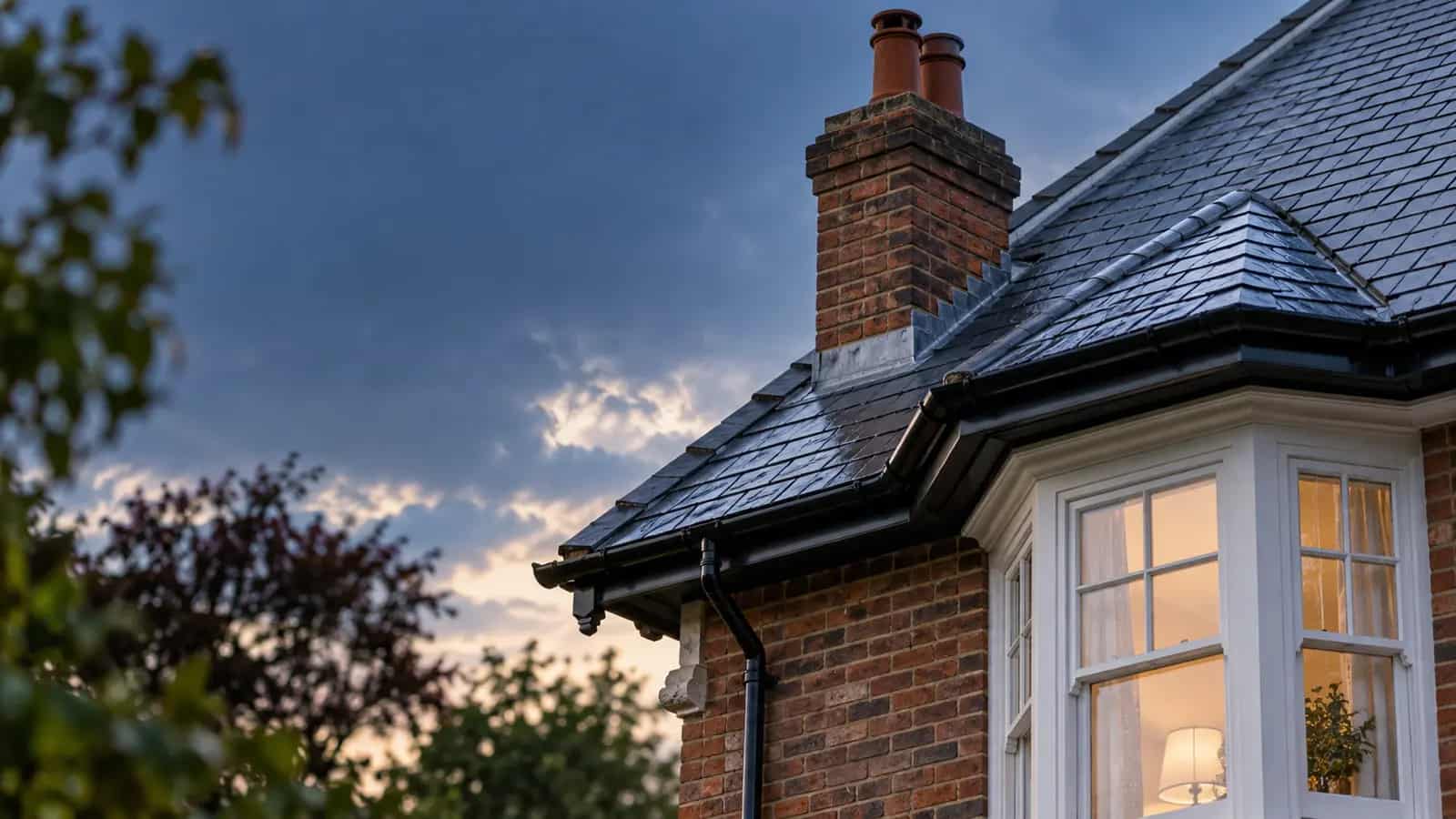
Buildings & ContentsInsurance UK
Protect your home and possessions from fire, flood, theft, and more. Compare quotes from leading UK insurers for the best cover at competitive rates.
We help you make sure your home is properly protected — not just cheaply insured.
£200-400
Avg Annual Cost
Over 30 Years
Experience
5★
Reviews.io
Comprehensive home insurance to protect your property and possessions. Combined with life insurance, income protection, and critical illness cover, you build complete family and home protection. We compare the market to find you competitive rates with the right level of cover.


Content reviewed: 13 October 2026
CeMAP awarded by The London Institute of Banking & Finance. Cert CII (MP) awarded by the Chartered Insurance Institute.
Key Facts: Buildings Insurance
- •Mortgage lenders require buildings insurance from exchange of contracts
- •Covers fire, flood, storm, subsidence, escape of water, and structural damage
- •Insure for rebuild cost (not market value)—use professional assessment
- •Combined buildings & contents for 3-bed house costs £200-400/year
- •Flood Re scheme helps high-risk properties get affordable cover
What Cover You Actually Need
Most policies look similar — the differences that matter are often hidden in the details.
What's covered:
- • Fire and explosion damage
- • Storm and flood damage
- • Theft and vandalism
- • Subsidence and ground movement
- • Accidental damage (optional)
What's covered:
- • Furniture and furnishings
- • Electronics and appliances
- • Clothing and personal items
- • Jewellery and valuables
- • Items away from home (optional)
Why Choose Our Service
We check rebuild cost and policy limits — not just price
We explain exclusions that commonly cause claim disputes
We ensure cover meets your mortgage lender's requirements
Expert advice on the right level of protection for your situation
Help with claims if the unexpected happens
Annual reviews to ensure your cover still matches your needs
Helpful Guides
Everything you need to know about buildings and contents insurance
Rebuilding costs include demolition, materials, labour, and professional fees. They're often different from your property's market price.
It's more comprehensive than standard cover but adds to your premium. Consider your circumstances and how careful you typically are at home.
Choose an excess you can afford to pay. Some perils like subsidence may have separate, higher excesses (often £1,000+).
Always read your policy documents carefully. We'll explain any exclusions and help you understand what additional cover you might need.
Standard home insurance won't cover you if you rent out your property. Always inform your insurer if your circumstances change.
Check your policy requirements. Installing approved security systems can save you money and may be required for high-value properties.
Protecting Your Home: Expert Tips
Practical advice to protect your property and reduce insurance costs
Before a Flood:
- • Check your property's flood risk rating online
- • Install flood barriers, airbrick covers, and non-return valves
- • Move valuable items and electrics to higher floors
- • Keep sandbags and a flood kit ready
- • Sign up for free flood warnings from the Environment Agency
During a Flood:
- • Turn off gas, electricity, and water supplies
- • Move to higher ground and stay safe
- • Don't walk or drive through floodwater
- • Take photos for insurance claims
Annual Checks:
- • Inspect roof tiles, chimneys, and guttering
- • Check for damp, mould, and ventilation issues
- • Service your boiler and heating system
- • Test smoke and carbon monoxide alarms
- • Examine windows, doors, and locks
Seasonal Tasks:
- • Clear gutters and drains (autumn/spring)
- • Bleed radiators before winter
- • Insulate pipes in cold weather
- • Maintain garden drainage
Beat the Heat:
- • Install reflective window film or blinds
- • Use fans strategically for cross-ventilation
- • Keep windows closed during peak heat
- • Water gardens early morning or late evening
- • Check air conditioning units are serviced
Summer Risks:
- • Subsidence from dry soil - water foundations
- • Increased burglary risk with open windows
- • Storm damage - secure garden furniture
Before Winter Arrives:
- • Insulate pipes and water tanks in lofts
- • Lag exposed outdoor pipes with foam tubing
- • Know where your stopcock is located
- • Service your boiler before cold weather hits
- • Check loft insulation is at least 270mm deep
Prevent Frozen Pipes:
- • Keep heating on low when away (12°C minimum)
- • Open loft hatches to let warm air circulate
- • Drain garden taps and hoses
Standard insurers may decline or charge high premiums for certain properties. Non-standard insurance helps if your home has:
- • Flat roofs, thatched roofs, or non-standard construction
- • Previous subsidence or flooding claims
- • Listed building status or historical features
- • Business use from home
- • Located in flood risk or high-crime areas
- • Unoccupied for extended periods
- • Previous insurance declined or cancelled
Specialist insurers understand these risks and can provide tailored cover. We'll find you the right protection at competitive rates.
Key Policy Features:
- • New for old replacement (not indemnity)
- • Unlimited buildings cover or high limits
- • Alternative accommodation if uninhabitable
- • Trace and access cover for hidden pipes
- • Legal expenses and personal liability
- • Accidental damage option available
Defaqto Ratings:
Defaqto independently rates insurance policies from 1 to 5 stars based on features and benefits. A 5-star rating indicates comprehensive cover with extensive features, while 3 stars offers good basic protection. Higher ratings typically cost more but provide better protection.
People Also Ask About Home Insurance
Verified client reviews
Independently authenticated via Reviews.io. Only real clients can leave feedback.
Loading verified client reviews...